
Cancelling your registration will remove your access to the event. If you proceed, you will no longer be able to participate or access event-related materials.
Deleting your account will remove your access to the event.
Need Technical Assistance? ✉ tech@vfairs.com
 Share
 Post
 Email
 Share
 Share
 Share


From Local Discovery to Global Impact
September 15 - 17, 2026
9AM - 12PM US ET
ASGCR 2026 has ended.
Click Login to access On-Demand content
The U.S. National Cancer Institute Center for Global Health, in partnership with steering committee organizations, will host the 14th Annual Symposium on Global Cancer Research, themed from Local Discovery to Global Impact. The theme emphasizes advancing innovative, locally grounded research and translating those discoveries into global improvements in cancer control.
The theme highlights a commitment to fostering innovative research grounded in local expertise and context and translating these discoveries into worldwide improvements in cancer control. The symposium will showcase collaborative research initiatives that bring together interdisciplinary teams of clinicians, researchers, public health experts, advocates, policymakers, people with lived experience, and community organizations to create generalizable evidence that can inform cancer control strategies worldwide.
The agenda will feature poster and oral presentations alongside dynamic scientific sessions selected through our open call for abstracts and session proposals. The meeting will culminate in a keynote address delivered by the 2026 Pearline Awardee, highlighting leadership and impact in global cancer research and control.
Simultaneous Interpretation is available in French, Spanish and Portuguese.

Pair text with an image to focus on your event. Add details on starting date, speakers, or even provide a review. Lorem ipsum dolor sit amet, consectetur adipisicing elit, sed do eiusmod tempor incididunt ut labore et dolore magna aliqua.
Share your research or implementation program with a global audience.
Discover initiatives that are reducing the burden of cancer in low-resource settings.
Connect with the global oncology research community to exchange ideas and identify potential areas for collaboration.
_1786636617126.jpg )
Satish Gopal
Director, Center for Global Health, National Cancer Institute
Director, Center for Global Health, National Cancer Institute
Satish Gopal, M.D., M.P.H. was appointed Director of the Center for Global Health (CGH) at the National Cancer Institute (NCI) in 2020. In this role, he oversees the development of initiatives and collaborations with other NCI and NIH partners, NCI-designated cancer centers, and other governmental and non-governmental organizations to support cancer research, promote science-based cancer control, and build research capacity in low- and middle-income countries. Before coming to NCI, Dr. Gopal was the Cancer Program Director for the University of North Carolina collaboration with the Malawi Ministry of Health.
Africa is projected to record 1.27 million new cancer cases by 2030, and nearly the double by 2040, with related 0.97 million deaths and over 1 million annually, for the same periods. The National Institute of Health (NIH) is Africa’s leading cancer research funder. However, beside Latin America, Africa trails the other continents in consequent funding. In a 2026 funding map, Africa recorded less than 2,200 funded research projects, compared to 350,304 in North America and 43,995 in Europe. Recent data also show dramatic within-continent disparities in shares of this already low funding, with five countries (Egypt, South Africa, Kenya, Uganda, and Nigeria) disproportionately concentrating 90% of the funded projects across all the identified funding mechanisms. A close-look pattern shows most funding going to countries 1) using English as the official or a major transactional language, 2) with a locally developed research infrastructure above the continent’s average, and 3) generally viewed as both politically stable and having credible governance. This pattern points to countries in Northern, Eastern and Southern, and to some extent Western Africa. In contrast, regions like Central Africa, where French is dominant, are the least funded, while consistently bearing a high burden of cancer, especially for breast, prostate, and cervix. Therefore, one could ask, does cancer burden need to affect a country attractive enough to be considered for consequent research funding? While the above funding landscape could be justified by the need for researcher’s safety and return of the investment in research funding (e.g., without political/security or governance interferences), all and each cancer cases in Africa are, nevertheless, unfortunately exposed to high mortality, regardless of the related country’s “postcard”. Remarkably, these interference assumptions are sometimes arbitrary, favor countries already familiar with the NIH technical “language”, and present the risk of a reinforcing disparity loop favoring existing partnerships only. Changing the current paradigm implies addressing 1) research infrastructure and training gaps affecting local researchers, and 2) cultural barriers that have excluded millions across Africa from cancer research. Recent innovative local partnership initiatives between US-based researchers and their peers in less funded African countries may achieve capacity building towards this goal.
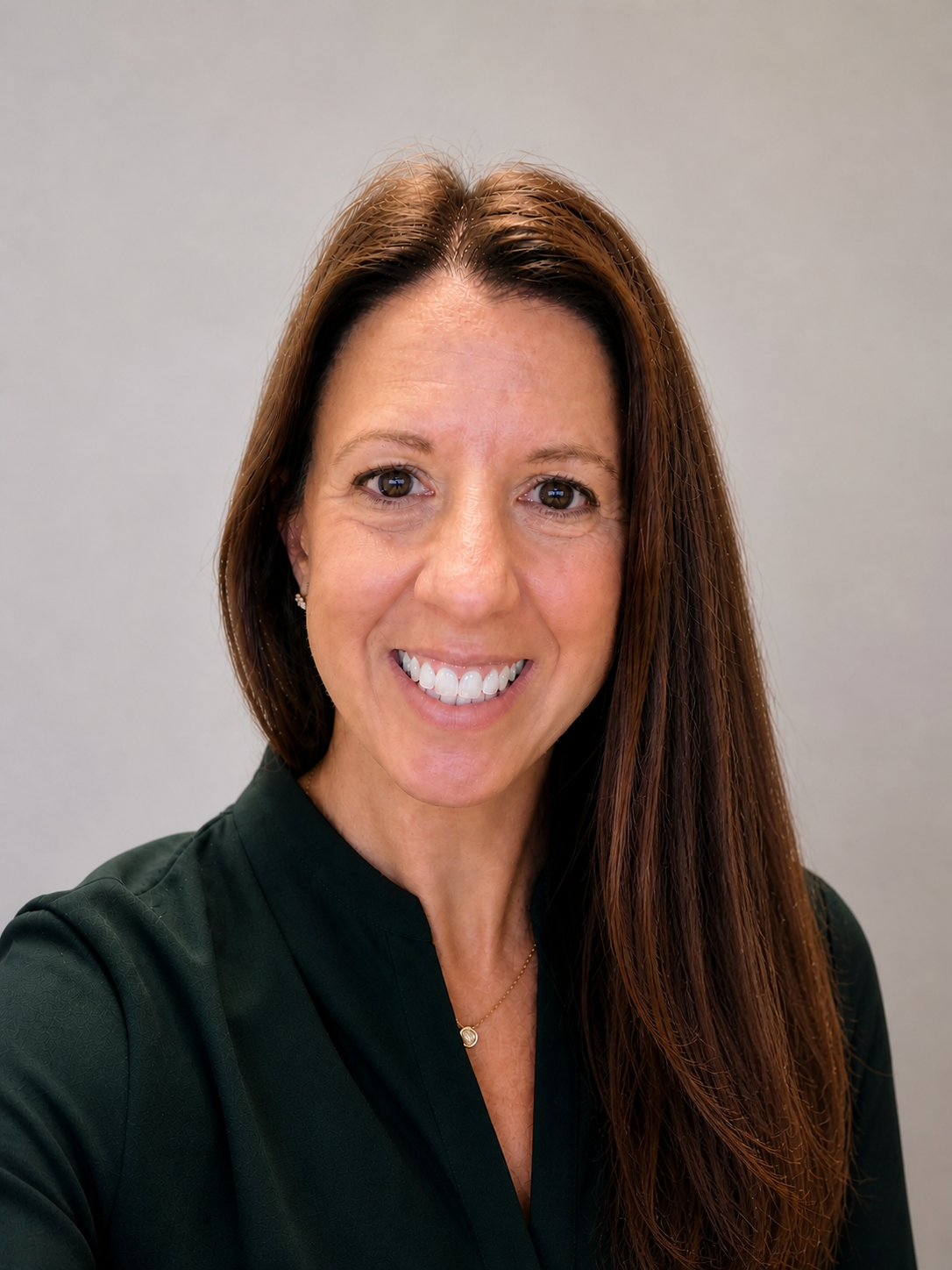
Jean Hunleth
Moderator
Associate Professor, Washington University in St. Louis
Associate Professor, Washington University in St. Louis
Jean Hunleth, PhD, MPH, is a medical anthropologist and Associate Professor in the Division of Public Health Science, Department of Surgery, Washington University School of Medicine in St. Louis. She began her career in public health as a Peace Corps Volunteer in Eastern Province, Zambia in the late 1990s, where she gained insight into the contextual processes that led public health programs to succeed and also to fail. Her experiences during that time - which co-occurred with an absence of accessible treatment for HIV and a loss of funding for TB treatment- led her back to the U.S. to Northwestern University to study anthropology, while also pursuing an MPH, studies that took her back to Zambia to carry out ethnographic research on children's caregiving for parents with TB. She has published this research as a book, Children as Caregivers: The Global Fight against Tuberculosis and HIV in Zambia, and launched comparative research in the U.S. with children whose parents have cancer. She leads a lab at Washington University that foregrounds ethnographic methods and local knowledge, as well as attention to how power circulate. Her current projects in Zambia include a study to integrate HPV Vaccination into HIV care settings, specifically drawing on the experiences and perspectives of adolescents, and a study on the costs of childhood cancer caregiving, especially for caregivers coming from far distances. She places emphasis on cross-cultural learning from collaborators and on capacity building that supports and sponsors mentees to realize their professional goals.
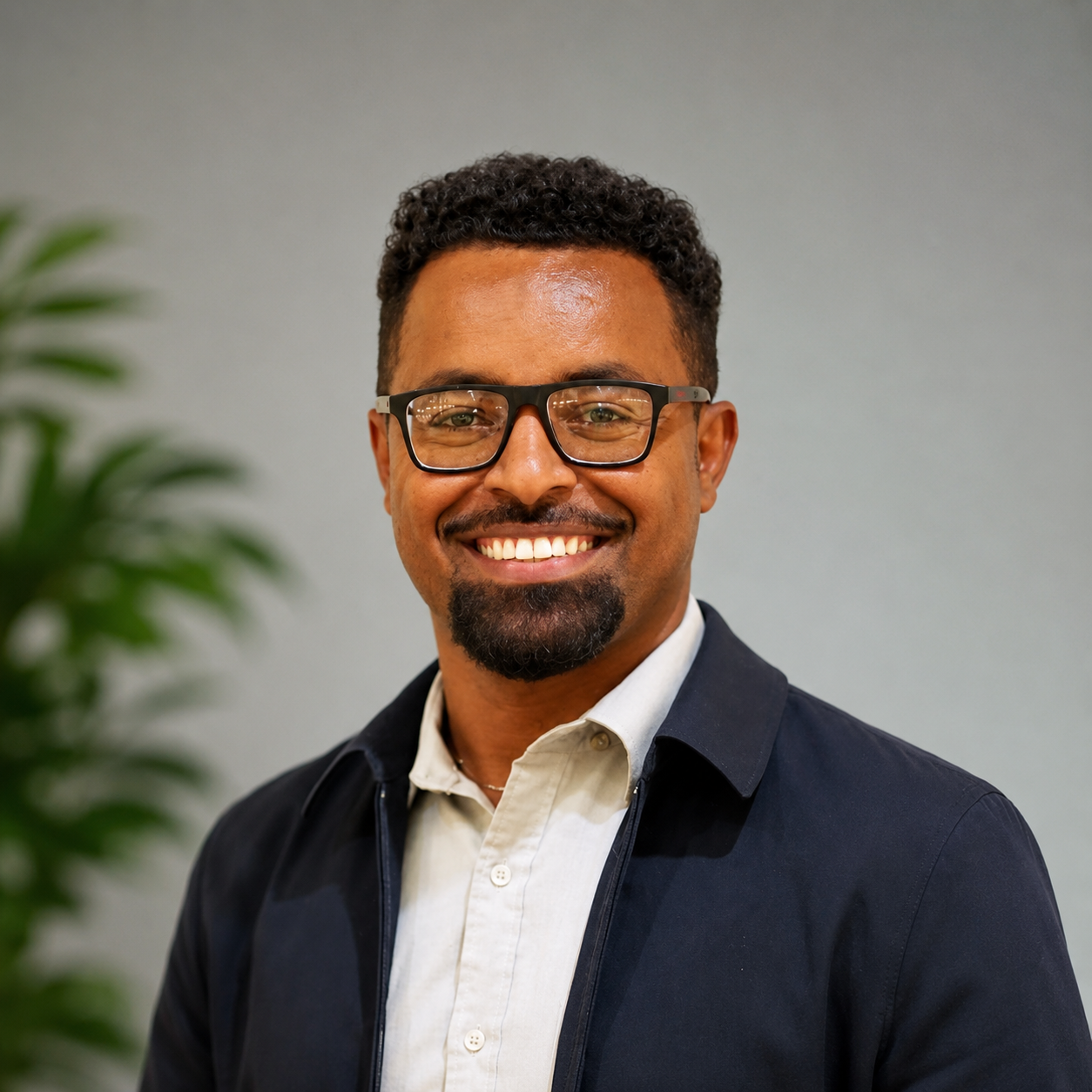
Biniyam T. Deressa
Clinical Oncologist, Adama Hospital Medical College
Clinical Oncologist, Adama Hospital Medical College
Dr. Biniyam Tefera Deressa, MD is a Clinical Oncologist and Associate Professor at Adama Hospital Medical College, Ethiopia, where he provides comprehensive cancer care while leading oncology services, research, and training. His work focuses on improving equitable cancer care through implementation science, health systems strengthening, and patient-centered approaches in low-resource settings. Dr. Biniyam has led and collaborated on multiple international research initiatives aimed at improving cancer prevention, early detection, psychosocial care, and implementation of evidence-based interventions in Ethiopia. His work bridges research and clinical practice through community engagement, culturally responsive cancer education, and capacity building for healthcare professionals. A strong advocate for patient-centered care, he has helped develop multilingual cancer education resources in Amharic and Afan Oromo and has led nationwide public awareness initiatives through television, radio, and digital platforms. He also founded survivor support programs that integrate Ethiopia's traditional coffee ceremony as a culturally meaningful approach to peer support and psychosocial care. Dr. Biniyam is committed to advancing equitable global partnerships that strengthen locally led cancer research and improve cancer outcomes across Africa.
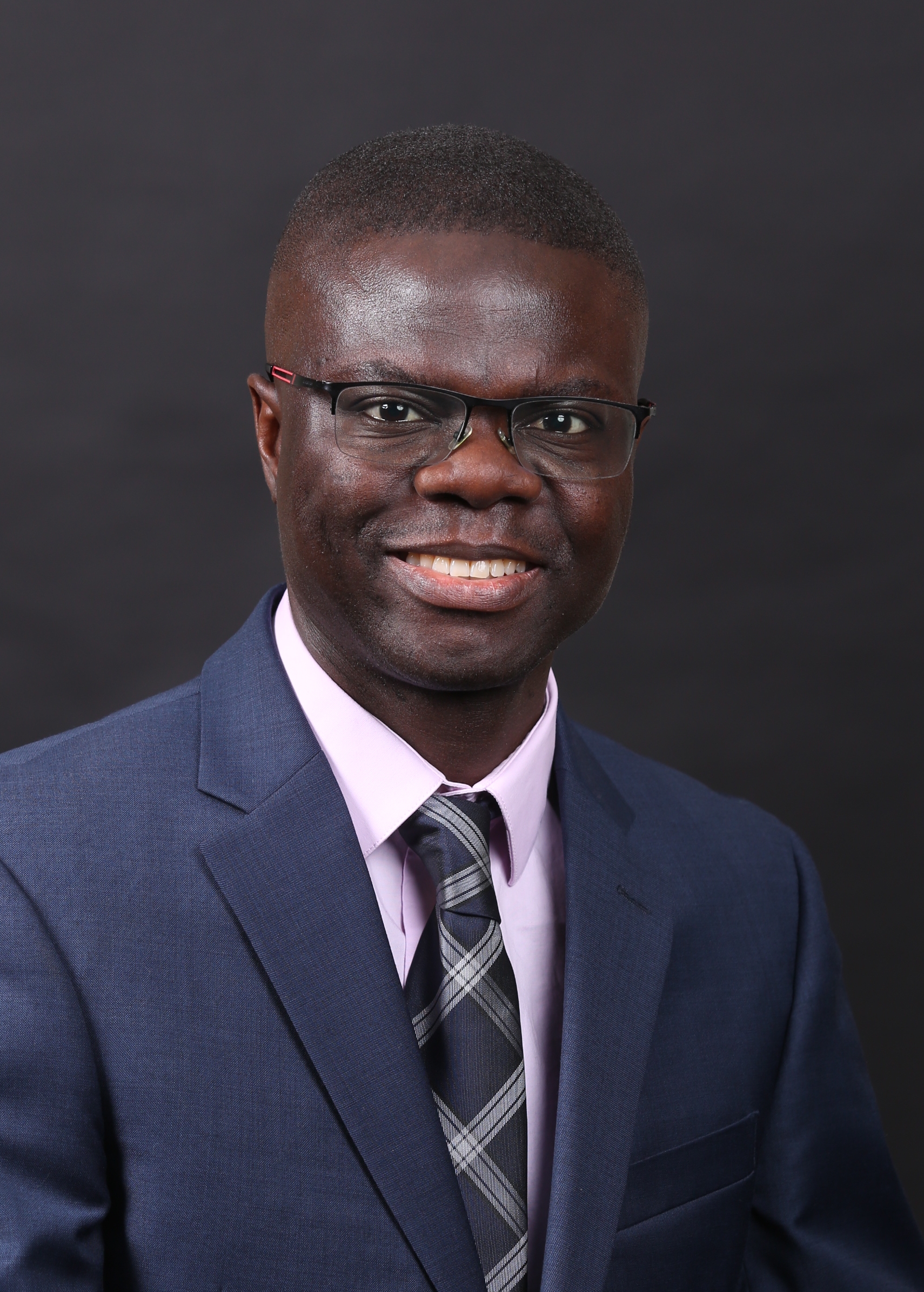
Jonas Ndeke
Research Assistant Professor, University of Rochester Medical Center
Research Assistant Professor, University of Rochester Medical Center

Ravonna Martin
Executive Director/Founder, The Ida Lee Project
Executive Director/Founder, The Ida Lee Project
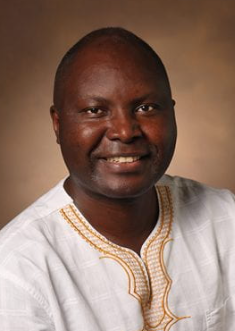
Wilbroad Mutale
Professor, University of Zambia School of Public Health
Professor, University of Zambia School of Public Health
Browse accepted posters and engage with presenting authors during this interactive session. Presenters will be available to answer questions via the virtual poster Q&A.
Hear presentations from the top-scoring accepted scientific abstracts. Lead authors will provide an overview of their research study or program implementation followed by an opportunity for attendee questions and discussion.
Presentations
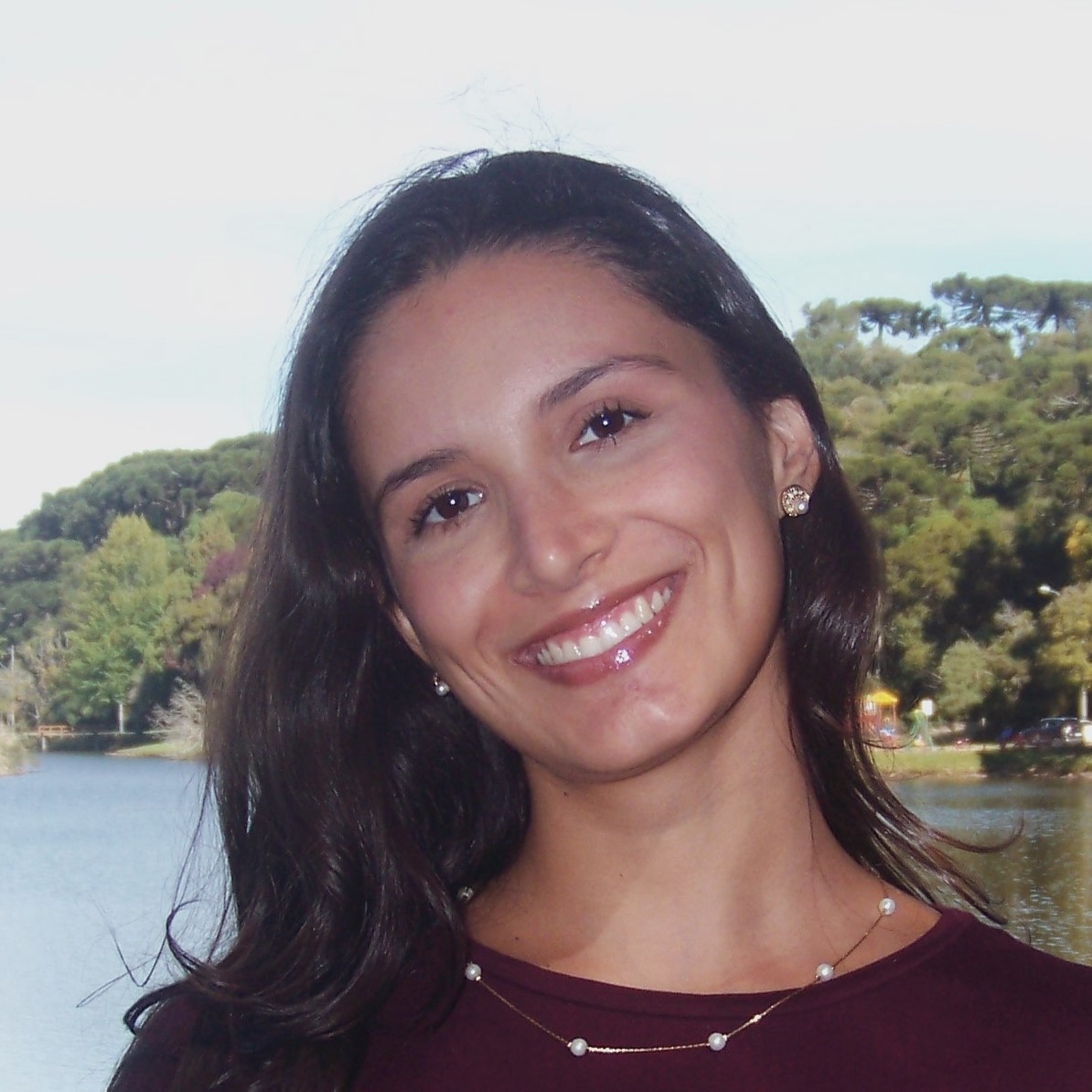
Solana de Melo
Student, Pontifícia Universidade Católica do Rio Grande do Sul
Student, Pontifícia Universidade Católica do Rio Grande do Sul
Solana de Melo is a medical student and clinical researcher at the Pontifícia Universidade Católica do Rio Grande do Sul (PUCRS) in Porto Alegre, Brazil. Her academic and scientific endeavors are primarily focused on clinical oncology, research methodology, and the application of evidence-based medicine within public health systems. Her current research activities center on analyzing oncological outcomes, evaluating therapeutic efficacy, and identifying systemic barriers to timely cancer diagnosis and treatment. Beyond clinical studies, her academic focus includes the integration of multidisciplinary approaches to cancer control, contributing to projects that evaluate the cost-effectiveness of oncological interventions and the implementation of standardized care guidelines in resource-constrained settings. By participating in international academic collaborations, she seeks to foster knowledge exchange between Latin American research institutions and the wider global oncology community. In addition to oncological research, her academic profile encompasses collaboration with multidisciplinary research groups dedicated to chronic diseases, metabolism, and global health strategies. This comprehensive research background informs her work on addressing systemic healthcare challenges and promoting equitable health policies. At the 14th Annual Symposium on Global Cancer Research, de Melo contributes to the academic discourse on optimizing cancer control strategies. This work aims to bridge the gap between clinical research and practical policy implementation, aligning with global efforts to improve healthcare equity and survival rates in low- and middle-income countries.

Zainab Adegbite
Research Coordinator, Lakeshore Cancer Center
Research Coordinator, Lakeshore Cancer Center

Pauline Nalweyiso
Pharmacist, Ananda Center for Cancer Research
Pharmacist, Ananda Center for Cancer Research
I am a Ugandan pharmacist and Young Investigator at the Ananda Center for Cancer Research (ACCR). My work focuses on improving equitable access to cancer medicines through pharmaceutical systems strengthening, oncology supply chains, and capacity building. I have contributed to national initiatives on oncology medicine access, including the UICC ATOM Coalition and Good Manufacturing Practice (GMP) capacity-building efforts in Uganda. I have experience in pharmacy practice, procurement, regulatory affairs, and oncology and infectious diseases research. I am passionate about strengthening local pharmaceutical manufacturing, advancing cancer care in low- and middle-income countries, and supporting evidence-based policies that improve patient access to quality-assured cancer medicines.
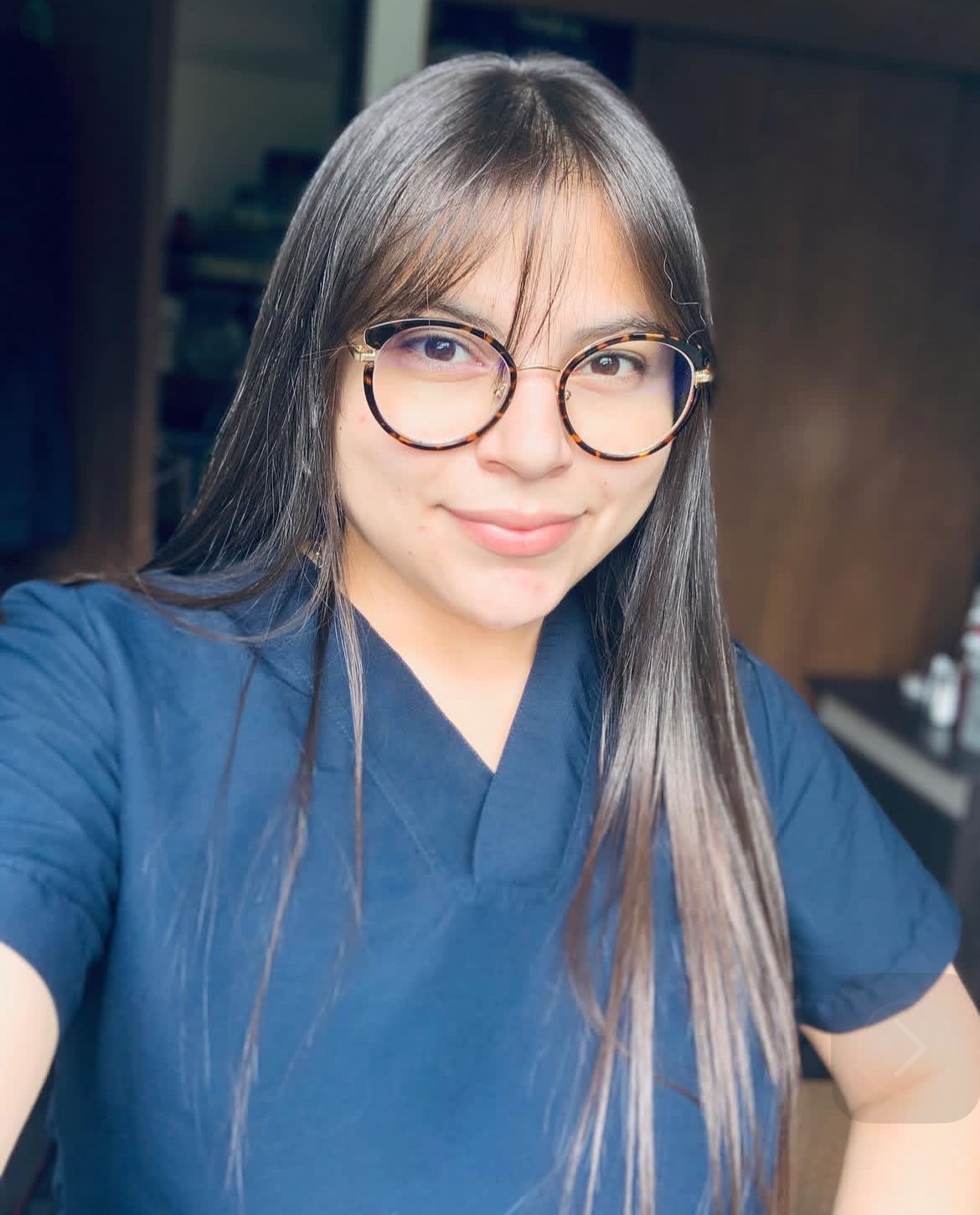
Juliana Victoria Martinez Janne
MD, PhD candidate in Biomedical Sciences, Universidad del Tolima
MD, PhD candidate in Biomedical Sciences, Universidad del Tolima
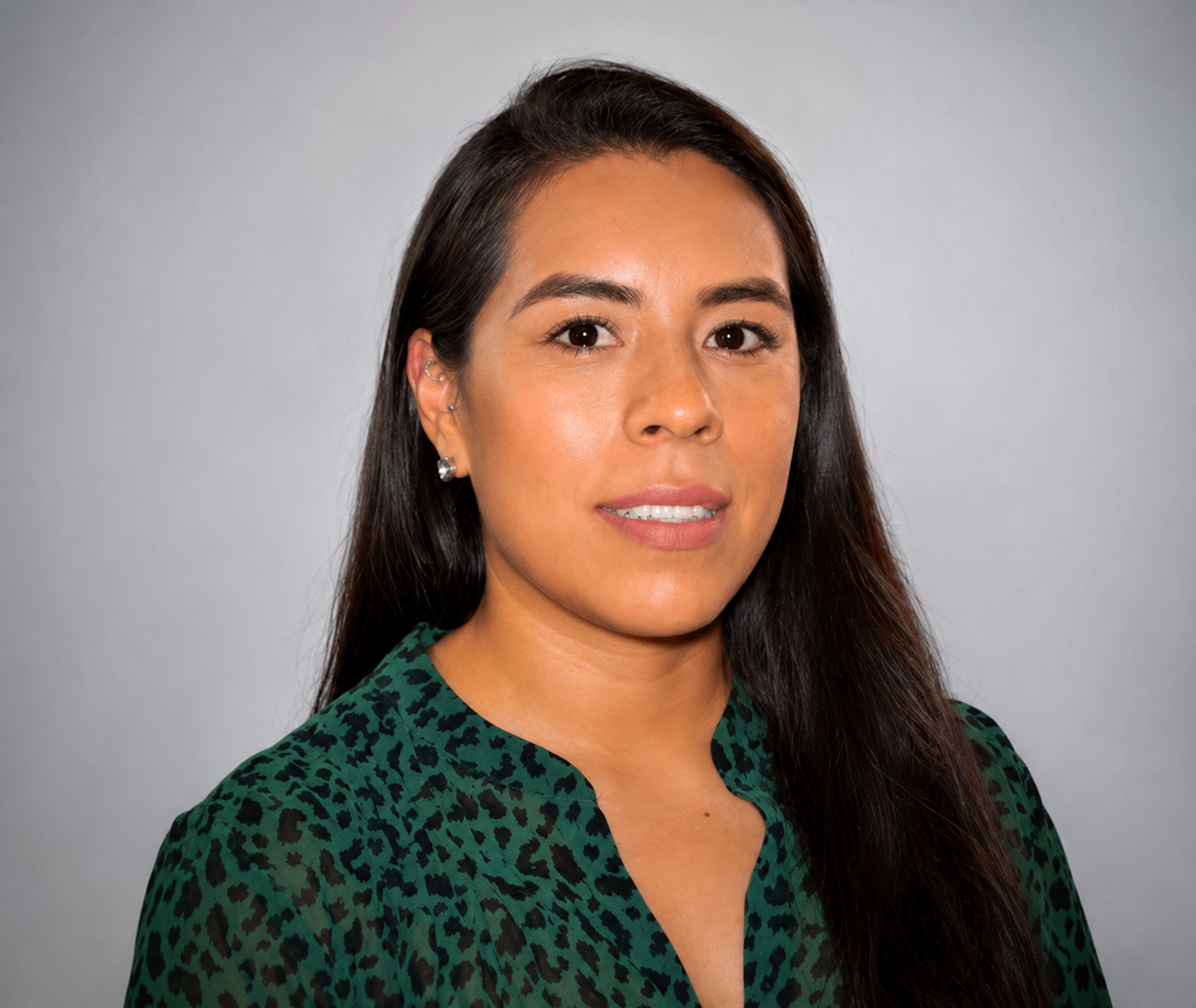
Lizeth Cruz Jiménez
Ph.D. Student in Health Promotion, Education, and Behavior, University of South Carolina
Ph.D. Student in Health Promotion, Education, and Behavior, University of South Carolina
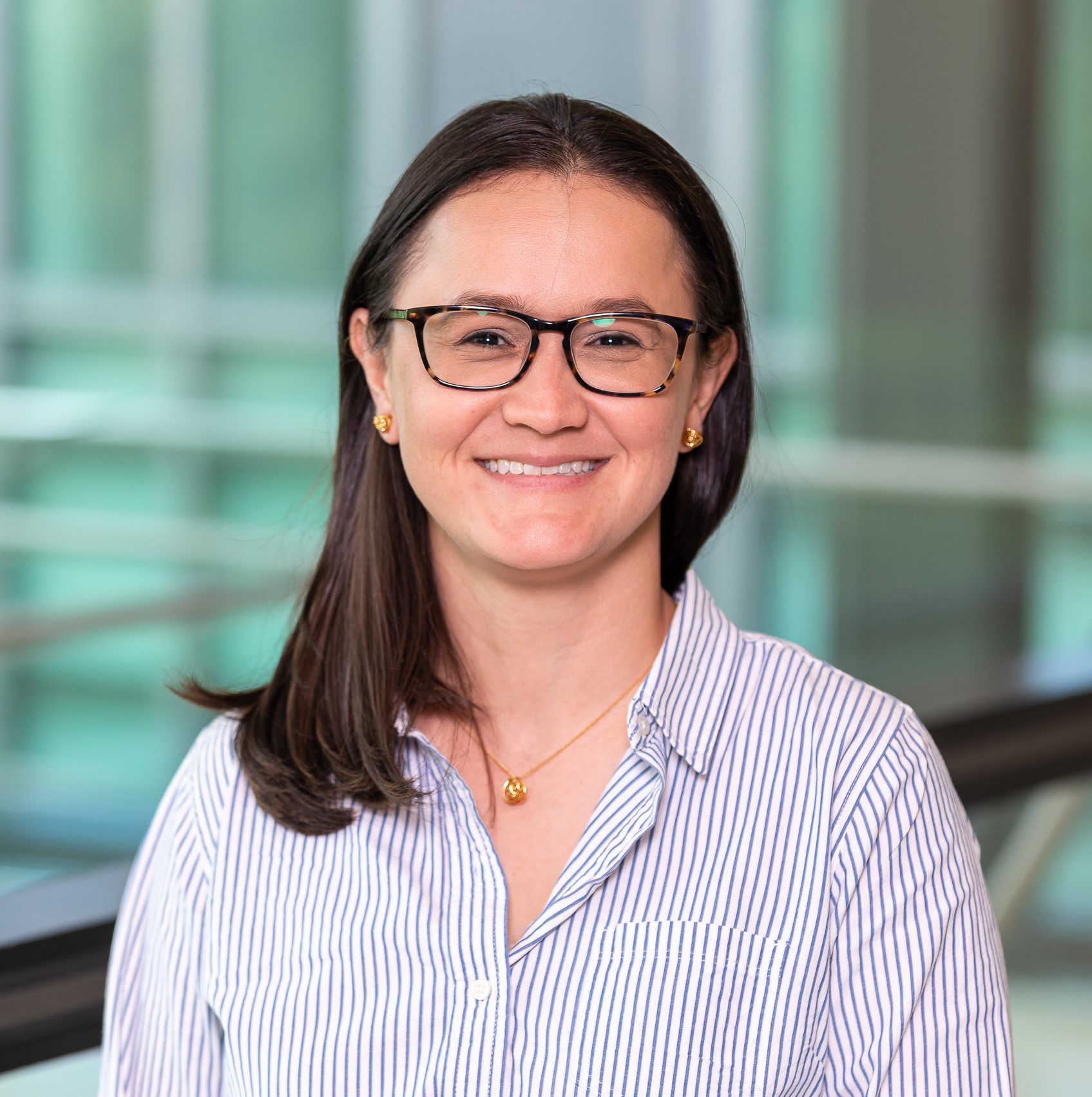
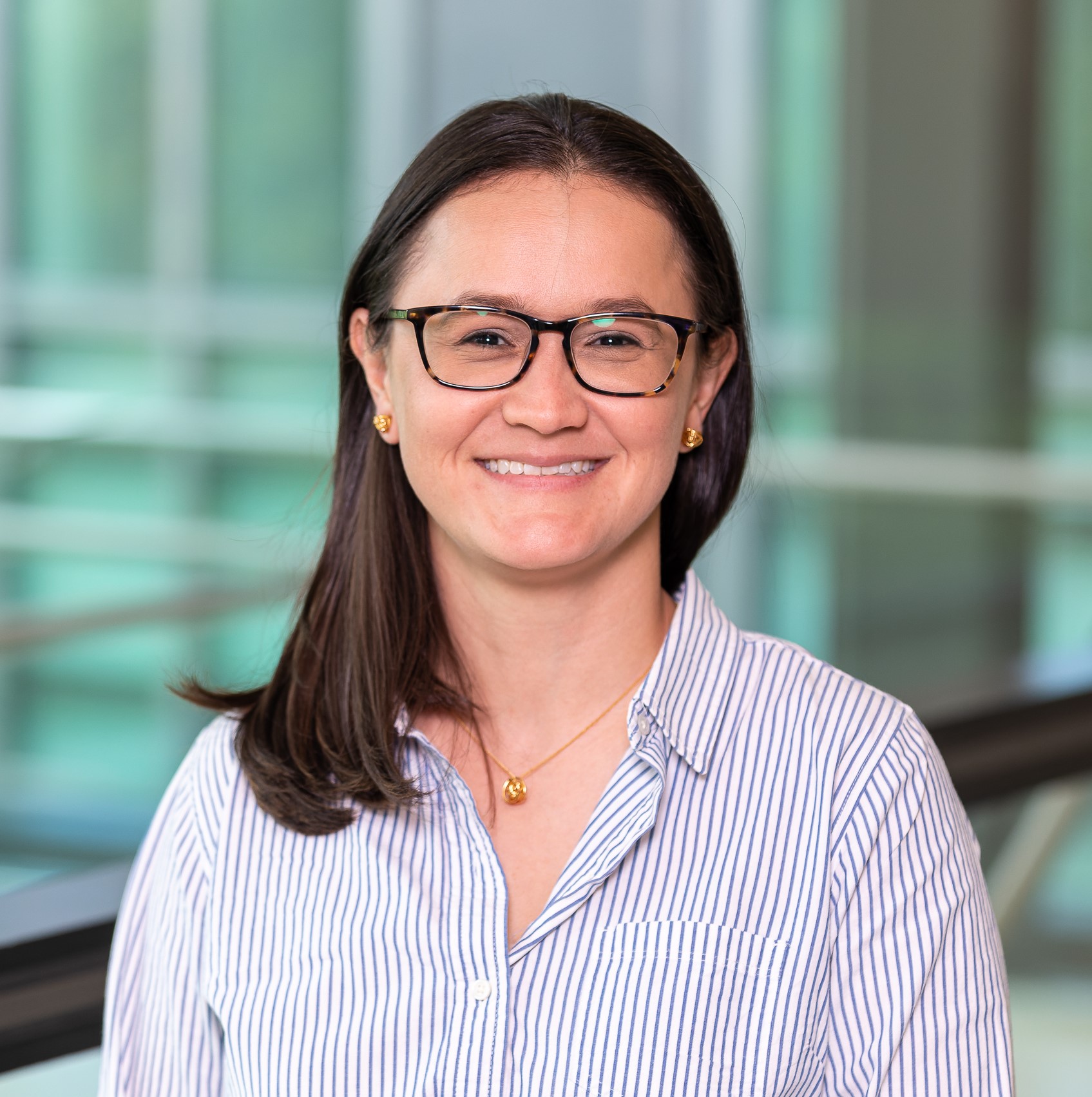
Margarita Correa-Mendez
Moderator
Program Director, Center for Global Health, National Cancer Institute
Program Director, Center for Global Health, National Cancer Institute

Laura Esfeller
Patient Advocate, SWOG Cancer Research Network
Patient Advocate, SWOG Cancer Research Network
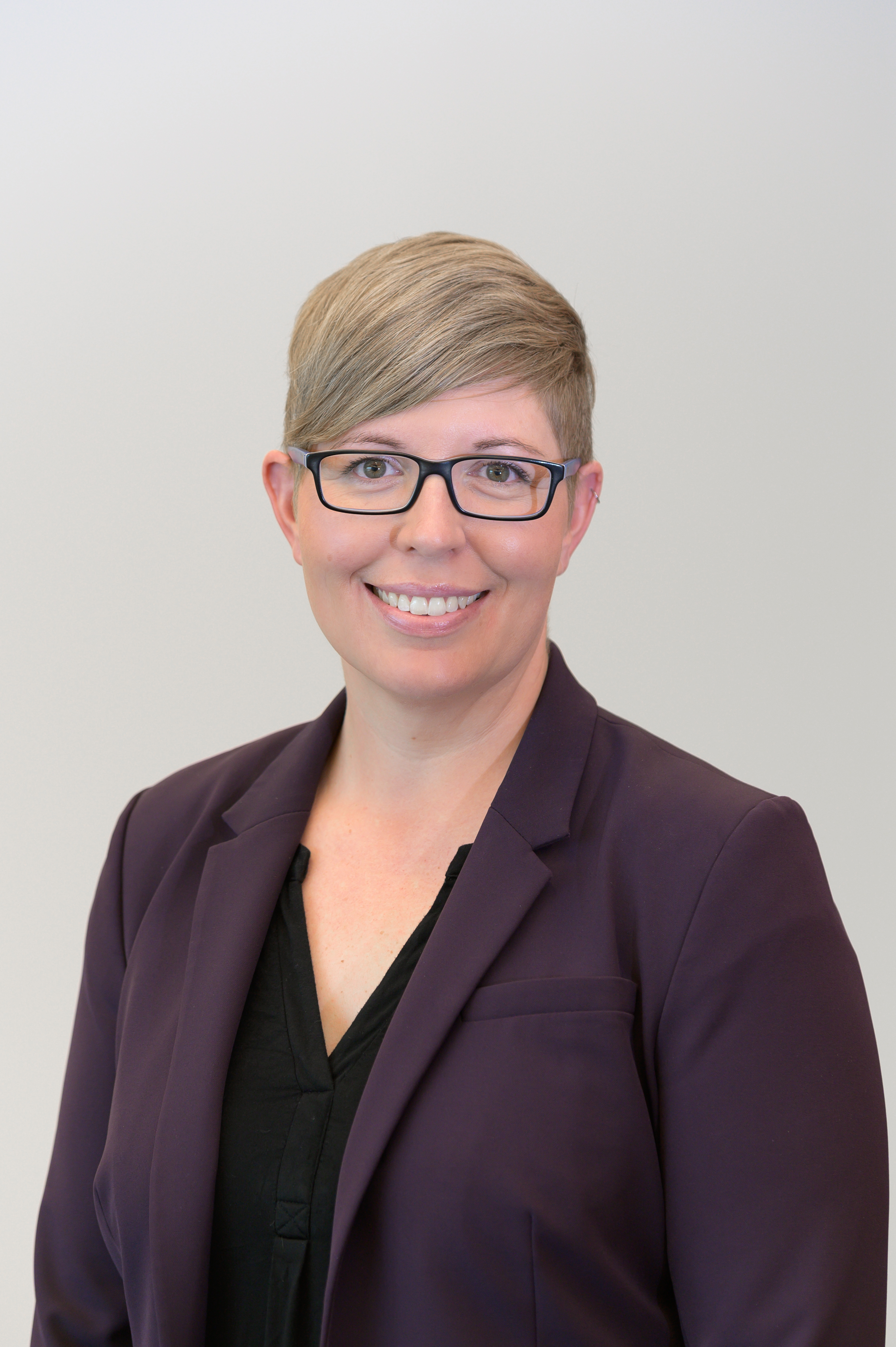
Kalina Duncan
Branch Director, Partnerships and Dissemination, Center for Global Health, National Cancer Institute
Branch Director, Partnerships and Dissemination, Center for Global Health, National Cancer Institute
Hear presentations from the top-scoring accepted scientific abstracts. Lead authors will provide an overview of their research study or program implementation followed by an opportunity for attendee questions and discussion.
Presentations
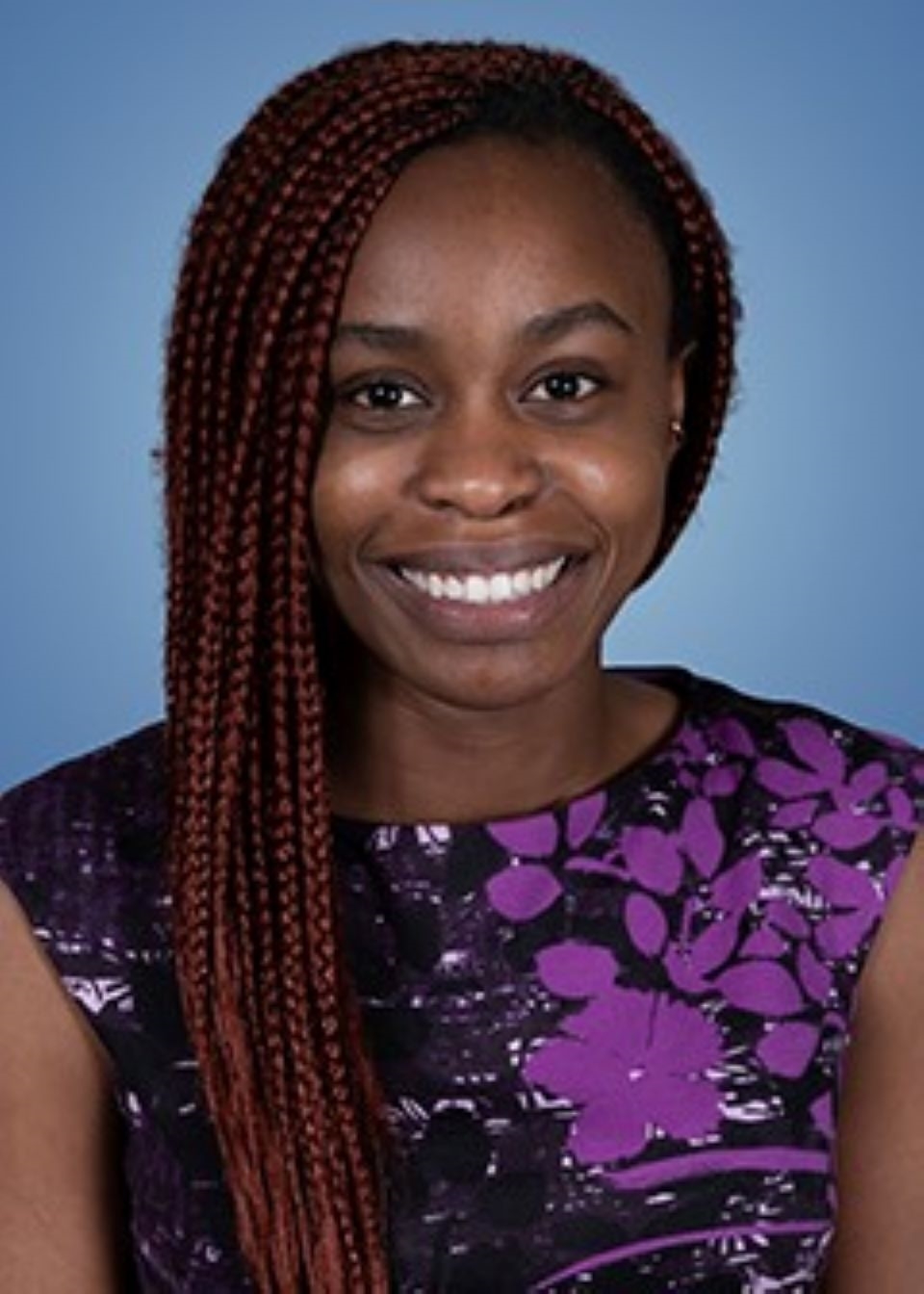
Tendai Kwaramba
Moderator
Assistant Professor of Medicine, Duke Cancer Institute
Assistant Professor of Medicine, Duke Cancer Institute
Dr. Kwaramba is a physician-researcher and medical oncologist specializing in gastrointestinal malignancies and global oncology. Her research centers on improving equitable access to cancer prevention, diagnosis, treatment, and survivorship care in resource-limited settings by bridging health equity, implementation science, and clinical oncology, with a particular focus on optimizing care delivery and resource utilization.
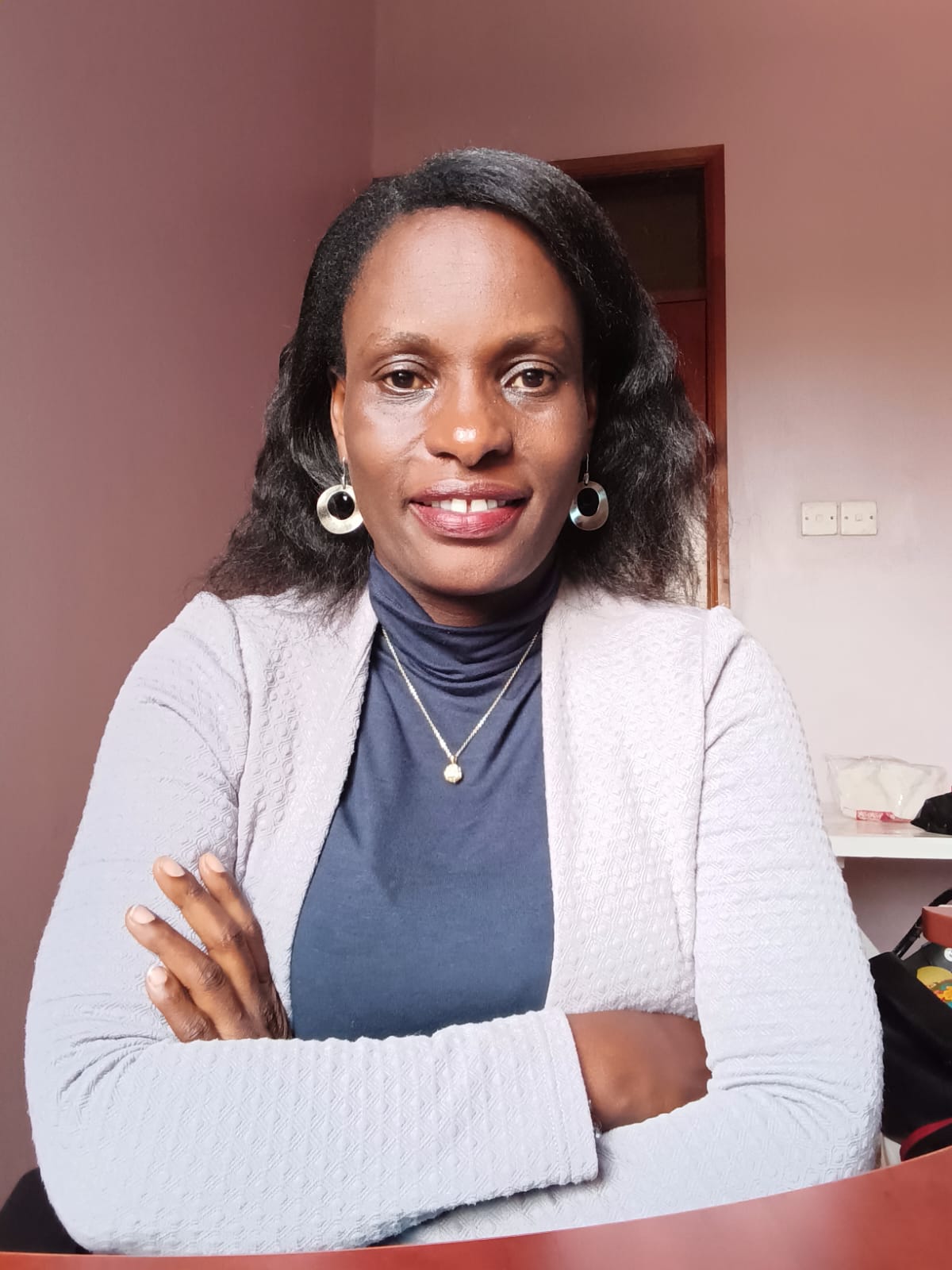
Annet Nakaganda
Director, Ananda Center for Cancer Research
Director, Ananda Center for Cancer Research
Dr. Annet Nakaganda is a Cancer Epidemiologist, Clinical Officer, and global health researcher with more than 20 years of experience leading cancer research, surveillance, and implementation science in sub-Saharan Africa. Her work focuses on strengthening cancer prevention and control through the development of locally relevant evidence, innovative surveillance systems, and research that informs policy and practice in resource-constrained settings. She is the Founder and Director of the Ananda Centre for Cancer Research (ACCR), where she leads multidisciplinary programmes in cancer epidemiology, implementation research, and health systems strengthening. Dr. Nakaganda has established and led national and regional initiatives in cancer surveillance, including the development of cancer registration systems, harmonisation of cancer registry guidelines across East Africa, and the design of standardized tools for cancer risk factor surveillance. Her current work focuses on translating locally generated data into actionable strategies that support national cancer control planning and equitable access to cancer prevention and care. Dr. Nakaganda has served as Principal Investigator and collaborator on research funded by the U.S. National Institutes of Health, Ministries of Health, and international partners. She is a Commissioner on the Lancet Oncology Commission for Sub-Saharan Africa and is committed to strengthening African-led research, building research capacity, and advancing sustainable, data-driven solutions for cancer control across low- and middle-income countries.
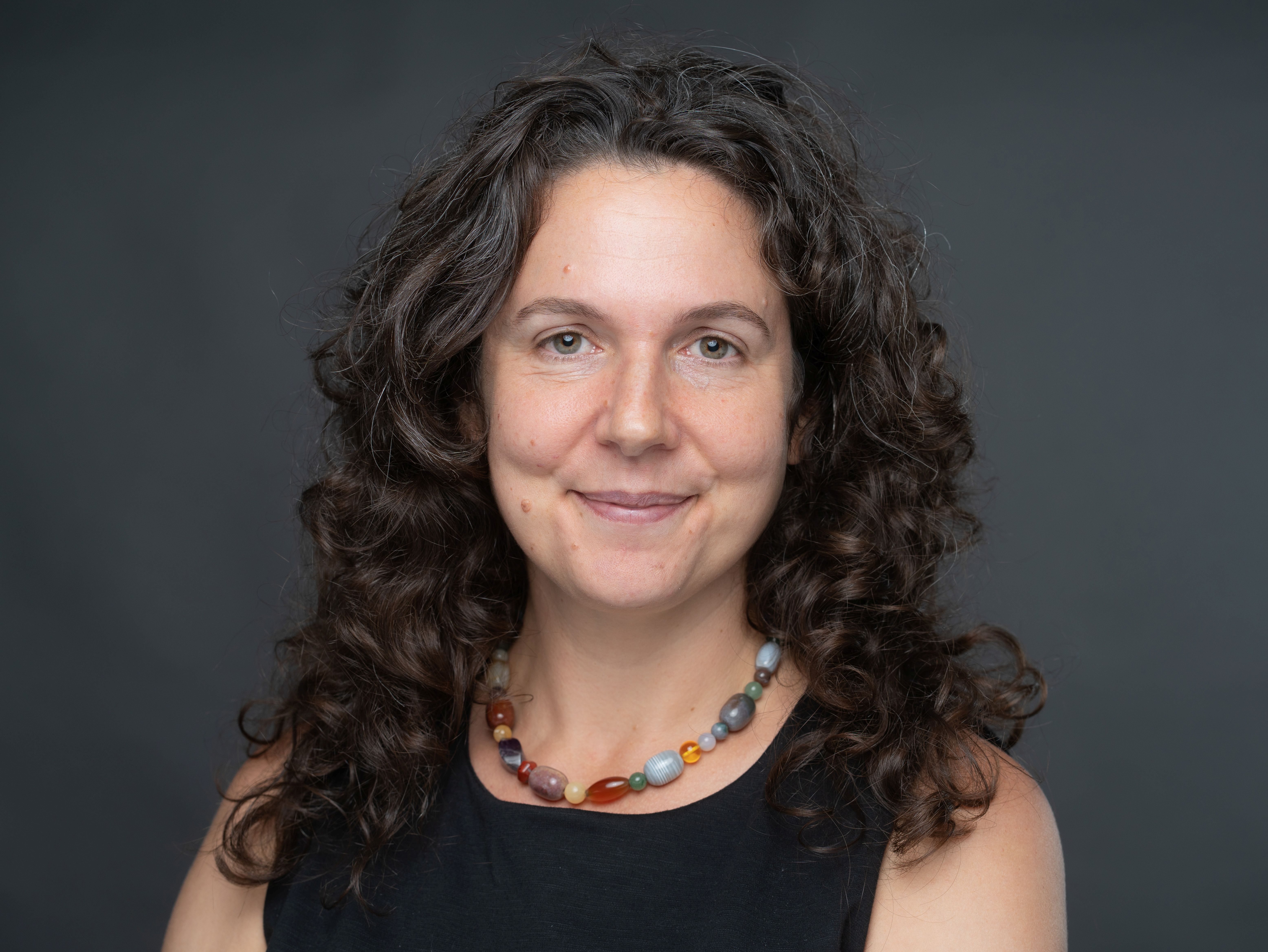
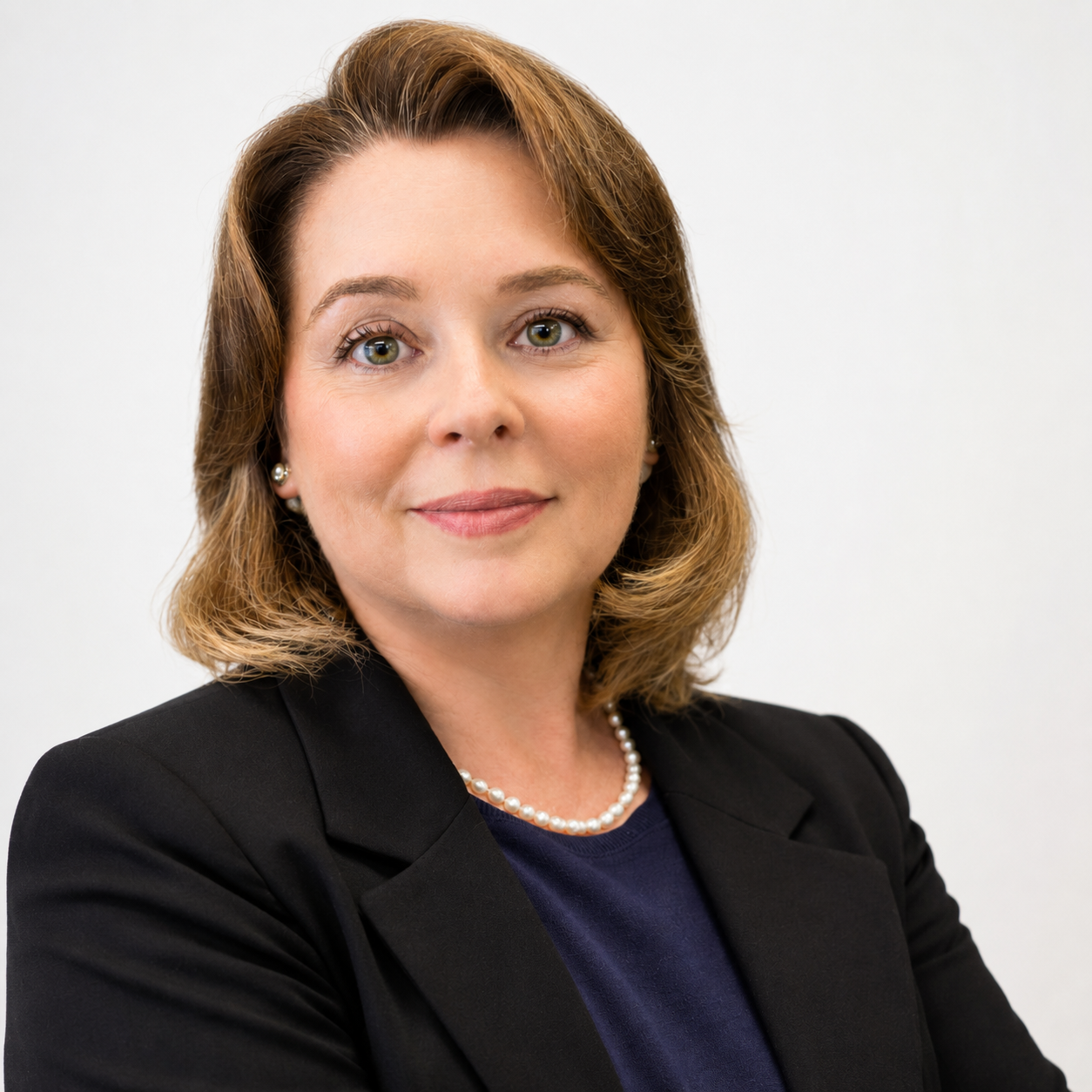
Corrina Moucheraud
Associate Professor, New York University School of Global Public Health
Associate Professor, New York University School of Global Public Health
Silvia Arrabal Gil
Associate Professor, Londrina State University
Associate Professor, Londrina State University
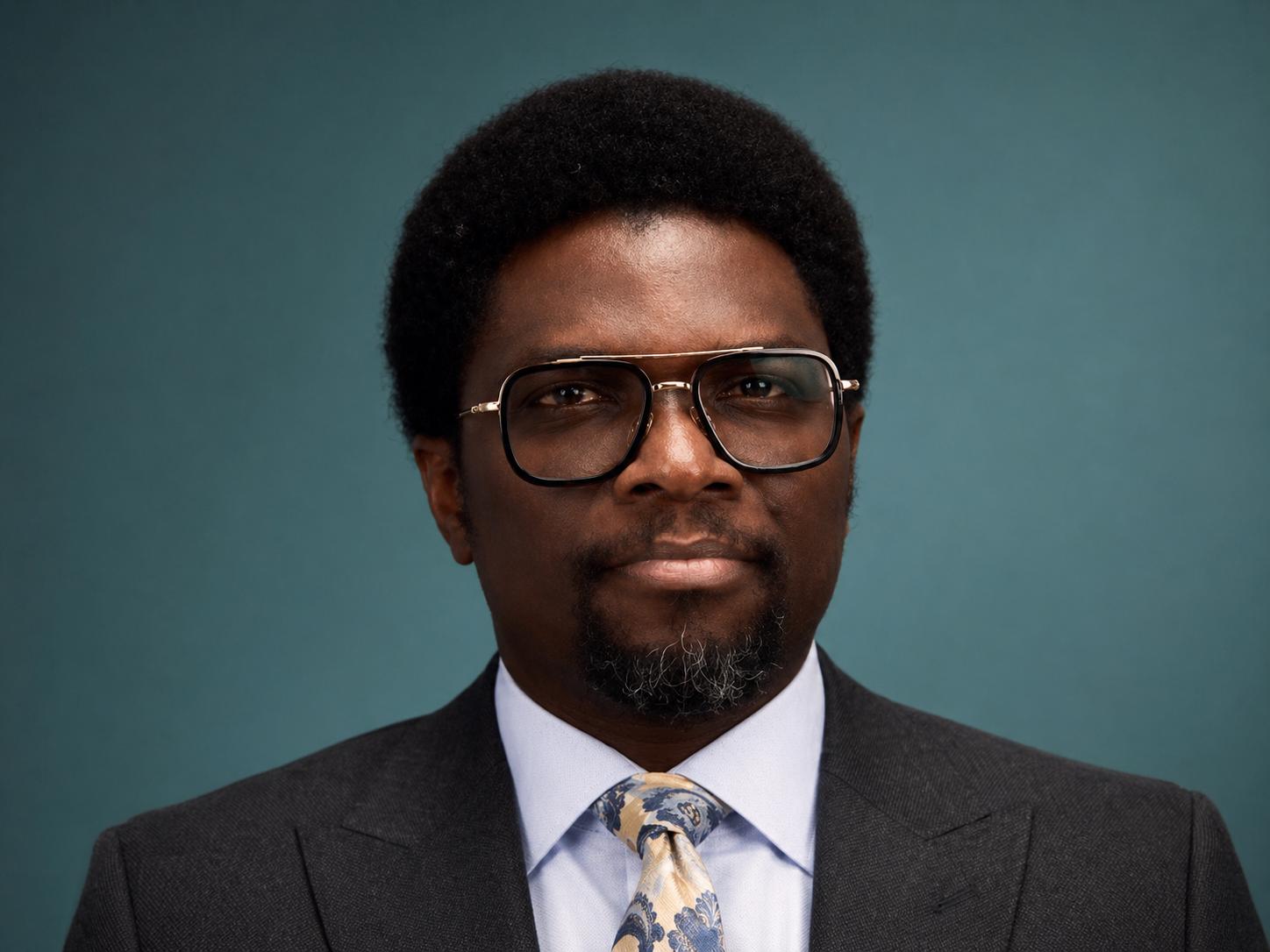
Doyin Bademosi
CEO / Director of Artificial Intelligence, Durotimi AI Inc.
CEO / Director of Artificial Intelligence, Durotimi AI Inc.
Neal Palafox
Professor and Principal Investigator, University of Hawaii
Professor and Principal Investigator, University of Hawaii
Browse accepted posters and engage with presenting authors during this interactive session. Presenters will be available to answer questions via the virtual poster Q&A.
Civil society organizations (CSOs) play a critical role in advancing HPV vaccination uptake. As trusted community actors, CSOs are uniquely positioned to share facts, address misinformation, and reach underserved populations. However, many remain excluded from national planning and lack access to evidence, practical tools, and peer networks. Building on the American Cancer Society’s work across three LMICs co-developing behavioral interventions to address low HPV vaccination uptake, which demonstrated strengthened CSO capacity, national representation, and engagement, a CSO-focused learning series was developed. The four‑month virtual learning series combined structured learning, peer exchange, and applied implementation planning and engaged 56 CSO leaders from 29 organizations across 17 LMICs. Grounded in the Motivation–Ability–Opportunity (MAO) behavioral design framework, the series was delivered in three phases: (1) a four‑day learning sprint focused on HPV vaccination, cervical cancer prevention, and behavioral science; (2) a supported implementation design phase with technical assistance provided every two weeks; and (3) project showcase webinars. Program evaluation included pre‑ and post‑training surveys, retrospective pre–post measures, program records, and faculty debriefs. This session spotlights a virtual learning series designed to strengthen CSO capacity in LMICs to design and implement low-cost HPV vaccination interventions tailored to local context. Faculty and CSO participants will share program design, implementation, outcomes, and insights on teaching behavioral science concepts, fostering peer learning across diverse LMIC contexts, and supporting CSOs to design feasible interventions addressing local barriers. A CSO participant whose project received implementation funding will share how they developed their project through the series and are applying the concepts on the ground. The session will conclude with a panel discussion focused on implications for scaling virtual learning models and equipping CSOs with usable tools and peer networks to strengthen their engagement in national and subnational HPV vaccination and cervical cancer elimination efforts.
_1785945991264.jpeg )
Sara Comstock
Moderator
Global Cancer Prevention, Program Manager, American Cancer Society
Global Cancer Prevention, Program Manager, American Cancer Society
Sara Comstock, MSW, is a public health leader with nearly two decades of experience advancing cancer prevention, early detection, and health equity in the United States and globally. She began her career leading statewide cancer control initiatives and health system partnerships across the U.S., collaborating with public health agencies, healthcare providers, coalitions, and community organizations to expand access to evidence-based cancer screening and prevention services. Sara currently serves as Manager, Global Cancer Prevention at the American Cancer Society (ACS), where she leads efforts to accelerate the implementation of effective cancer prevention strategies in low- and middle-income countries. In her role, Sara leads multi-country initiatives focused on increasing HPV vaccination uptake, strengthening cervical cancer prevention programs, and supporting the development of practical, sustainable solutions that can be integrated into health systems and community settings and she supports Cervical Cancer Action for Elimination (CCAE), a global initiative co-chaired by ACS and Cancer Research UK that brings together civil society organizations, healthcare professionals, policymakers, and advocates to advance progress toward the World Health Organization’s goal of eliminating cervical cancer.
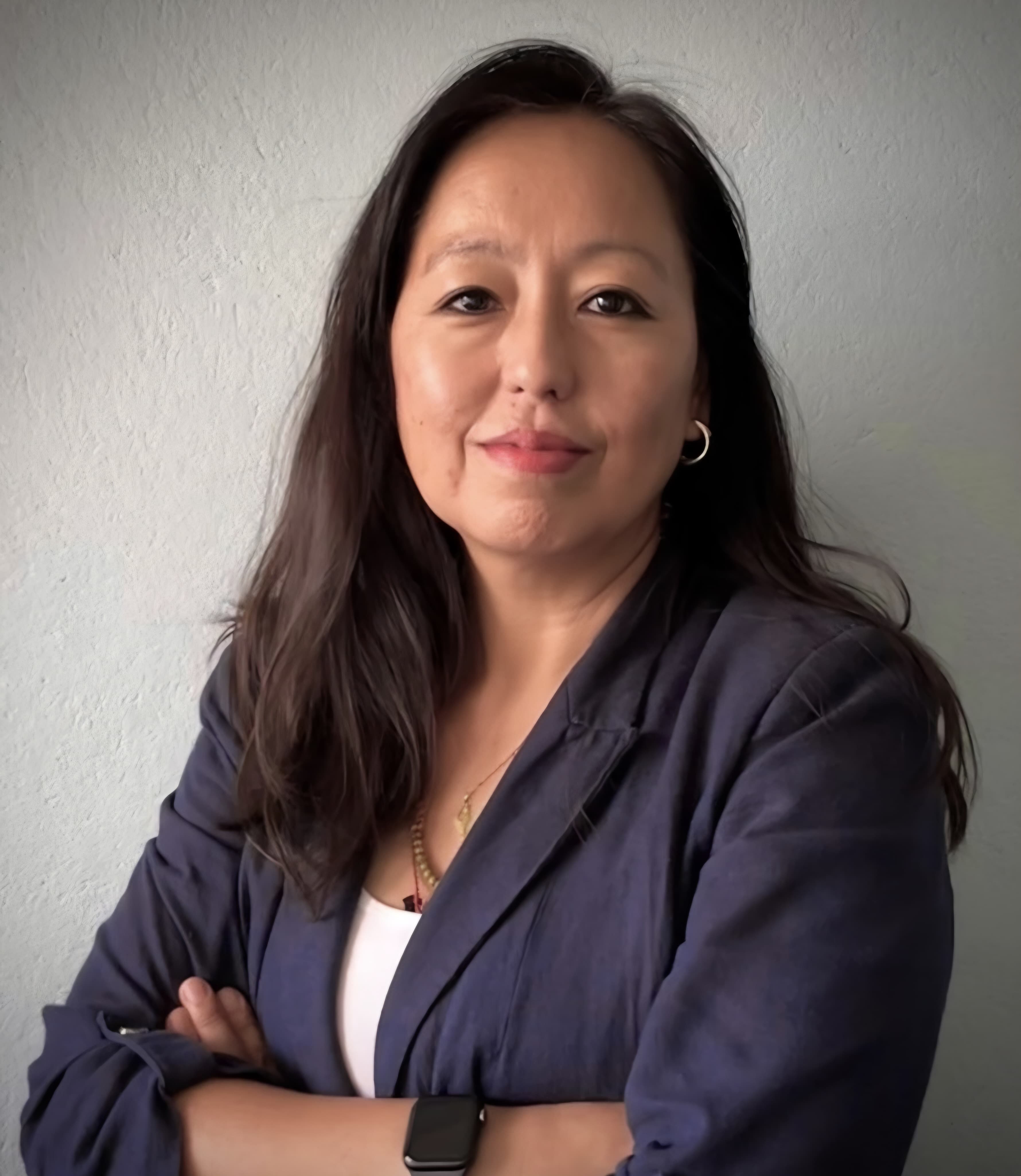
Pema Lhaki
Executive Director, NFCC
Executive Director, NFCC
Pema Lhaki is a development worker and the Executive Director at NFCC - Nepal’s leading NGO which has been working on reproductive health for the past 38 years. Pema’s key interests are Adolescents; HPV/Cervical Cancer and Menstruation. In 2011, Pema was instrumental in introducing HPV testing and self-sampling in Nepal. She worked closely with the Government in the introduction of HPV vaccination and HPV DNA testing. She has helped develop the National Cervical Cancer Screening and Prevention Implementation Plan. In 2023, in collaboration with and under the leadership of a local government, she led the deployment of HPV DNA testing using self sampling at the household level which continues till date and has screened and where required treated all eligible women in the ward. In 2023, Pema became Nepal Country Ambassador of the the International Papilloma Virus Society. In 2024, with technical support from University of Alabama at Birmingham, Pema brought together two of her interests, HPV/cervical cancer and menstruation by leading a study to explore the feasibility of detecting HR-HPV in menstrual blood in regular pads available in Nepal. Pema is actively involved in supporting the Government's National HPV Vaccination Program as well cervical cancer Screening Program. In 2026, under her lead, the Nepal Papilloma Virus Society, the Nepal chapter of the International Papilloma Virus Society was launched. Pema continues to actively engage in academic research, ground level implementation and policy level advocacy related to Cervical Cancer and HPV related cancers.
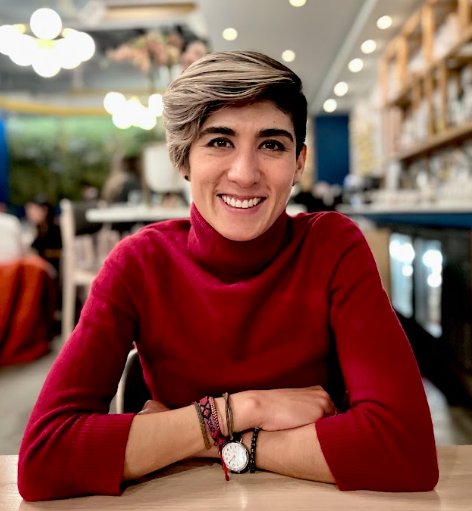
Deborah Martinez Villarreal
Behavioral Economist, Behavioral Methods LLC / ACS
Behavioral Economist, Behavioral Methods LLC / ACS
Déborah Martínez Villarreal, PhD, is a behavioral economist and consultant to the American Cancer Society. She applies behavioral science and experimental methods to strengthen vaccination and public health programs, with a particular focus on HPV vaccination.
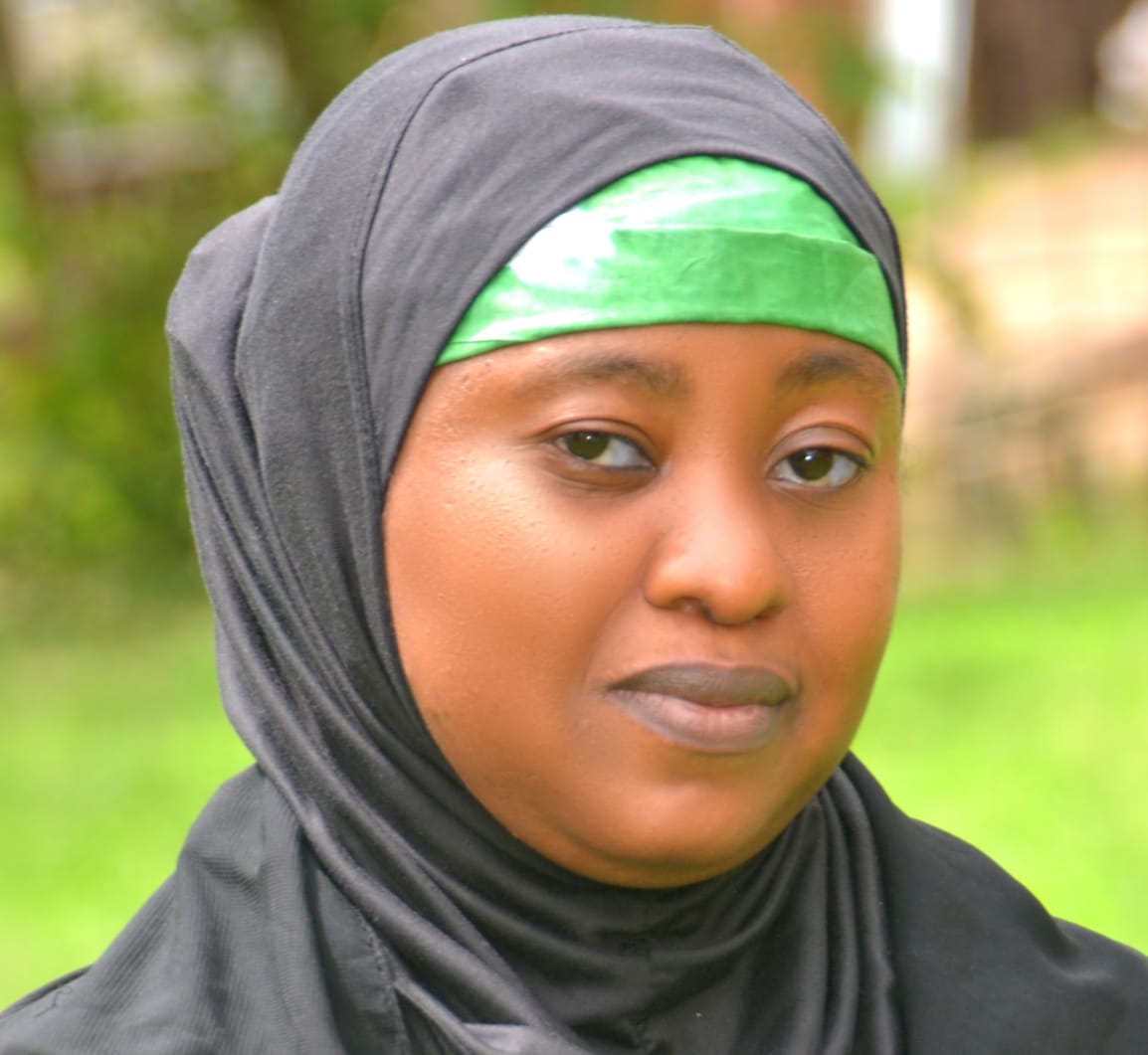
Maryam Jamila Ali
Clinician researcher, University of Jos/ Jos University Teaching Hospital
Clinician researcher, University of Jos/ Jos University Teaching Hospital
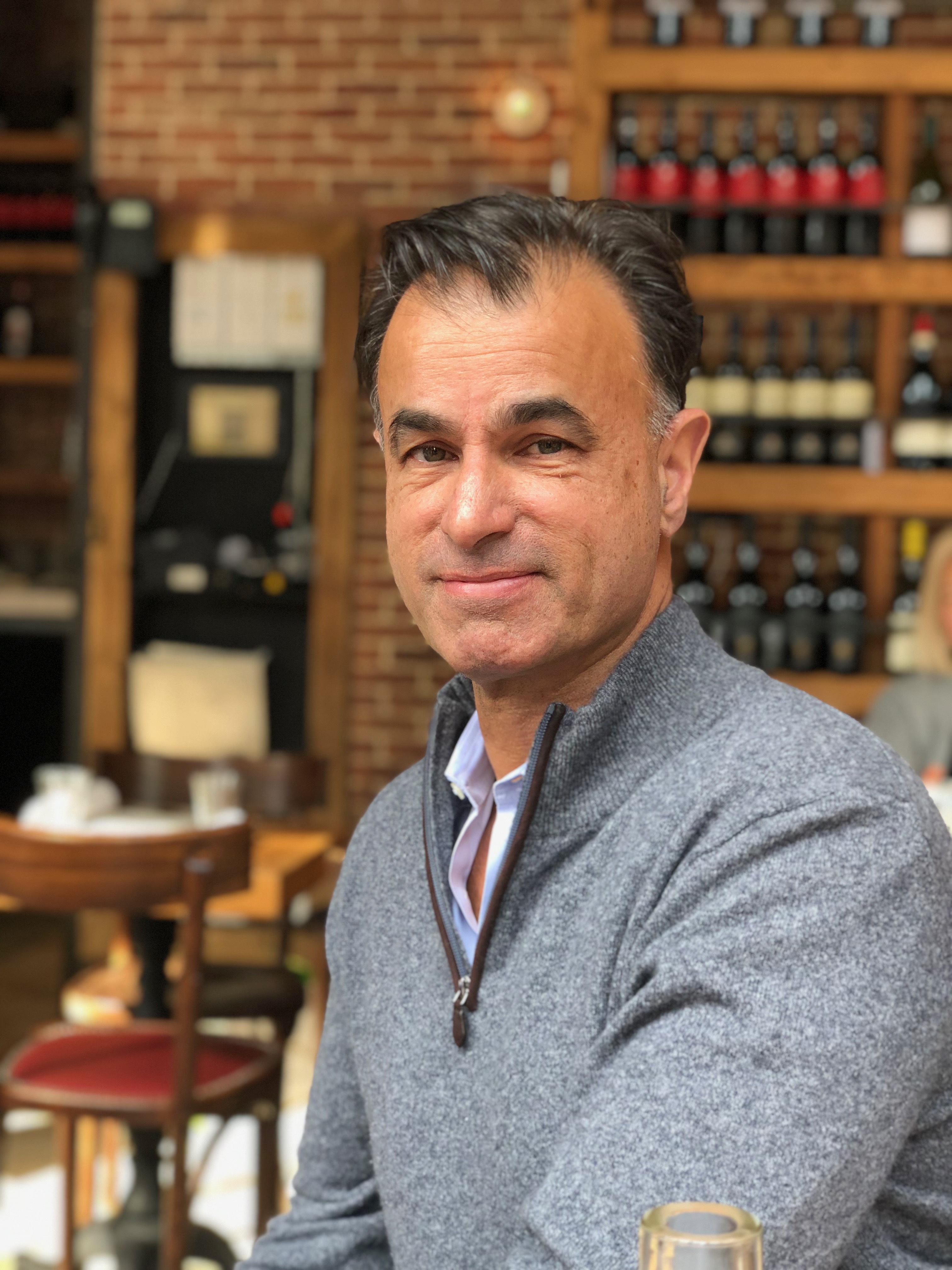
Keith Martin
Executive Director, CUGH
Executive Director, CUGH
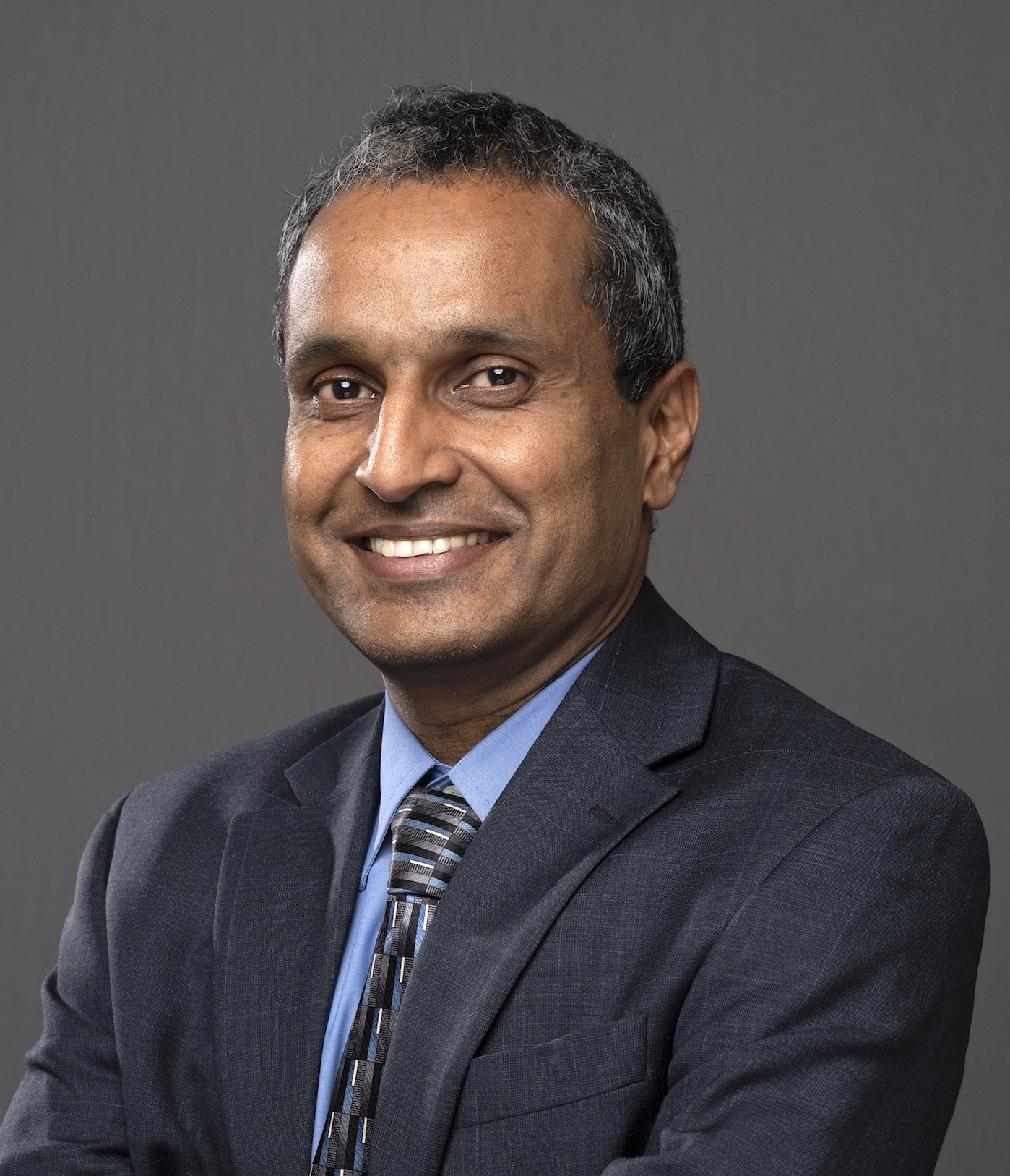
CS Pramesh
Director, Tata Memorial Hospital; Convener, National Cancer Grid, Tata Memorial Hospital; National Cancer Grid
Director, Tata Memorial Hospital; Convener, National Cancer Grid, Tata Memorial Hospital; National Cancer Grid
Black men globally continue to experience disproportionately high prostate cancer incidence, mortality, and survivorship burden, driven by complex interactions among social determinants of health, limited access to care, underrepresentation in research, and biological disparities. Addressing these inequities requires innovative, community-engaged, and globally connected research models that integrate translational science, implementation science, survivorship research, and workforce development. This session will highlight the Inclusive Cancer Care Research Equity (iCCaRE) Consortium as a transformative transcontinental model designed to improve prostate cancer outcomes among Black men in the United States and Sub-Saharan Africa. The session will explore how the consortium successfully established a collaborative infrastructure linking academic institutions, community organizations, advocates, clinicians, and global research partners to advance culturally responsive prostate cancer survivorship research and care. Speakers will discuss innovative consortium initiatives including the development of artificial intelligence–driven and virtual reality–enhanced survivorship interventions, decentralized patient-centered cancer care models, community-based participatory research, implementation science approaches, and global biospecimen and genomic research platforms. The session will also examine strategies used to engage historically underrepresented populations through trusted community partnerships, cancer advocacy training, digital health platforms, and culturally tailored survivorship tools. The session will further highlight key accomplishments from the consortium, including establishment of multinational scientific collaborations across more than a dozen African countries, development of biorepositories and digital pathology resources, training of underrepresented minority investigators and advocates, implementation of global survivorship studies, and dissemination of cancer education through innovative multimedia platforms. Importantly, the session will emphasize lessons learned regarding sustainable global partnerships, implementation challenges, infrastructure development, patient engagement, and translation of local discoveries into scalable global cancer survivorship solutions. Attendees will gain practical frameworks for building equitable cancer research ecosystems that integrate science, advocacy, and community engagement to improve cancer outcomes worldwide.
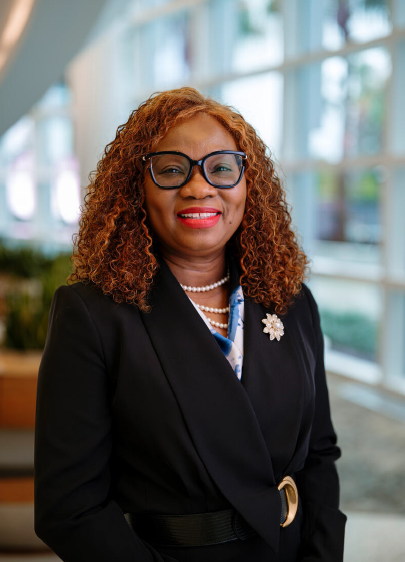
Folakemi Odedina
Moderator
Professor, Consultant & Enterprise Deputy Director, Global Oncology, Mayo Clinic Comprehensive Cancer Center
Professor, Consultant & Enterprise Deputy Director, Global Oncology, Mayo Clinic Comprehensive Cancer Center
Dr. Folakemi T. Odedina (PhD, BPharm) is an internationally recognized cancer researcher, global oncology leader, and champion for health equity whose work has transformed cancer research, clinical trials, and cancer control for underserved populations worldwide. She serves as Professor of Hematology/Oncology and Quantitative Health Sciences, Consultant and Enterprise Deputy Director for Global Oncology at the Mayo Clinic Comprehensive Cancer Center, where she leads strategic initiatives to advance global cancer research, precision community health, and equitable access to clinical trials. A highly funded and widely published scientist with more than 30 years of continuous research leadership, Dr. Odedina has directed over 60 research projects supported primarily by the U.S. National Institutes of Health, National Cancer Institute, and the Department of Defense. Her research focuses on prostate cancer, implementation science, inclusive clinical trials, and community-engaged interventions that improve cancer outcomes among populations of African ancestry globally. Dr. Odedina is the Founder and Emeritus Principal Investigator of the internationally acclaimed Prostate Cancer Transatlantic Consortium (CaPTC), which has united more than 1,000 investigators across Africa, Europe, the Caribbean, and North America to address prostate cancer through collaborative science. She also serves as Consortium Director of the iCCaRE for Black Men Consortium, advancing innovative models of equitable cancer care through decentralized clinical trials, artificial intelligence, and community-based technologies. A passionate mentor who has trained hundreds of investigators globally, Dr. Odedina also contributes to cancer policy and systems strengthening. She recently was appointed Chair of Nigeria's Ministerial National Cancer Control Plan Technical Working Group.
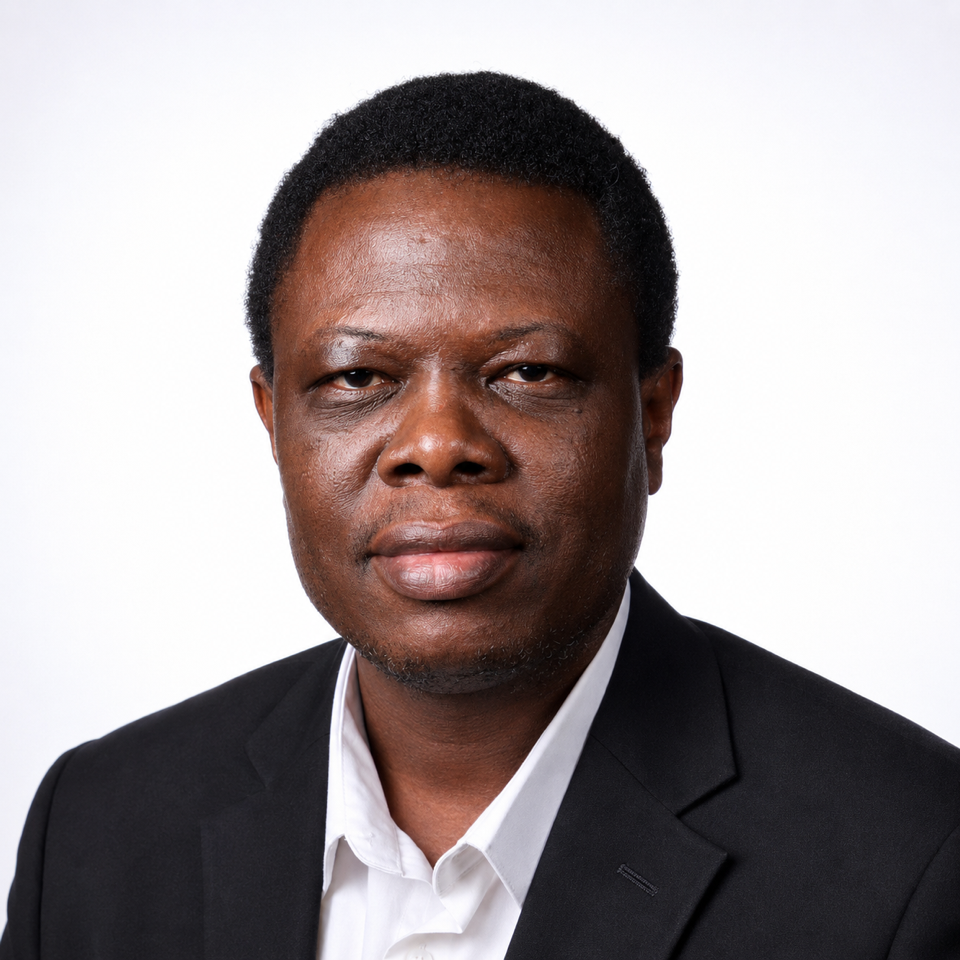
Solomon Rotimi
Professor, Covenant University
Professor, Covenant University
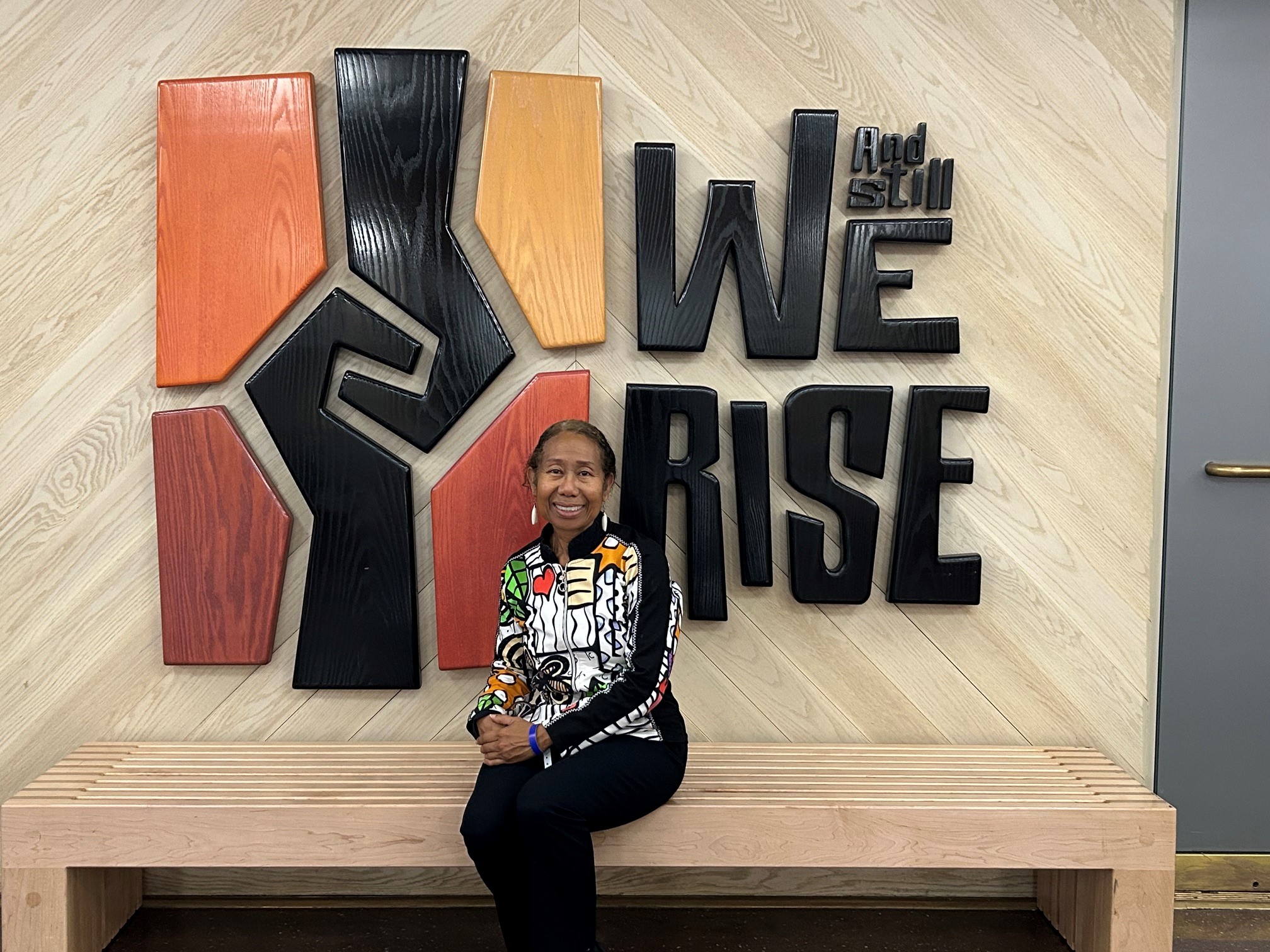
Kimlin Tam Ashing
Professor, City of Hope National Medical Center
Professor, City of Hope National Medical Center
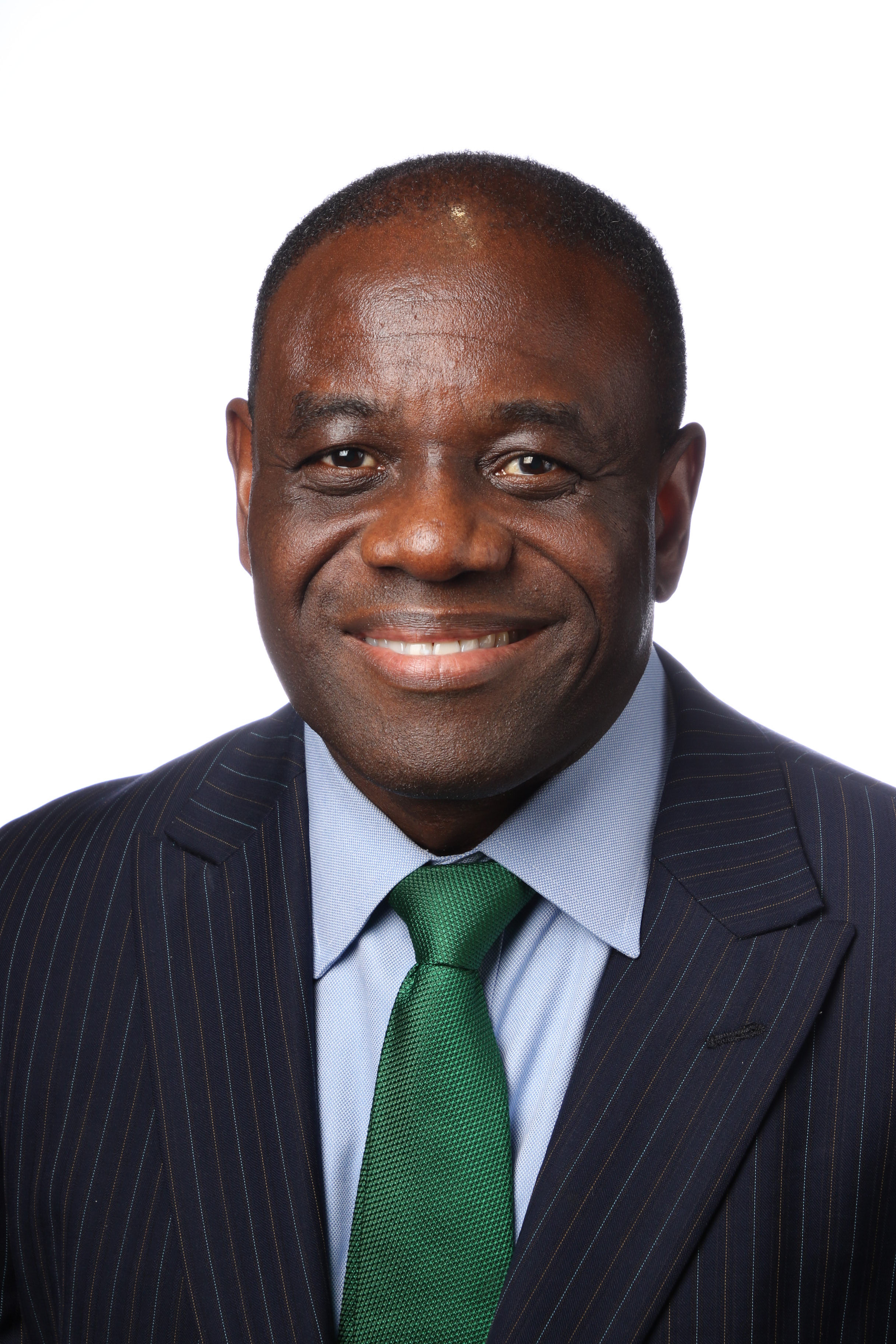
Ernest Kaninjing
Associate Professor, Georgia College & State University
Associate Professor, Georgia College & State University
Dr. Ernie Kaninjing is an Associate Professor of Public Health at Georgia College and State University in Milledgeville GA. He is a behavioral health scientist with expertise in prostate cancer disparities research. The focus of his research is to identify and contribute meaningfully to mitigate the environmental, dietary, behavioral, and social risk factors that contribute to prostate cancer health disparities among men of African ancestry. Additionally, his research explores the “within-group” differences in prostate cancer outcomes among men of African ancestry. Furthermore, His research examines the impact of immigration on prostate cancer outcomes among sub-Saharan African Immigrants (SSAI) and Caribbean Immigrants in the United States. Dr. Kaninjing has over ten years of community-engaged research experience, working with underserved communities in Florida and Georgia to address factors that contribute to differences in cancer outcomes. He has led initiatives focused on improving access to breast cancer screening among uninsured women in Leon and Gadsden counties in Florida, and similarly led efforts aimed at improving the quality of life for Black prostate cancer survivors in Georgia through community-driven efforts.
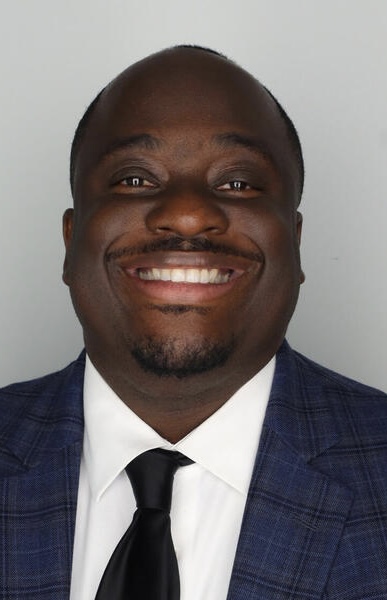
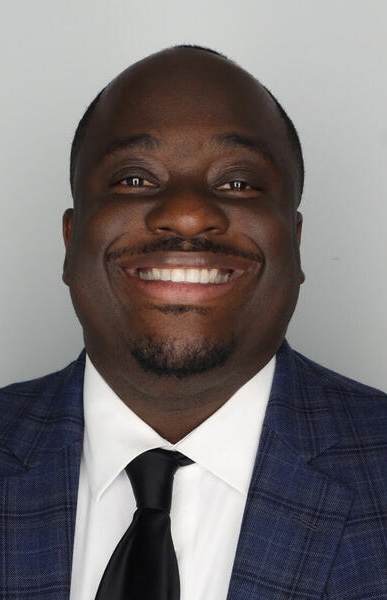
Ewan Cobran
Senior Associate Consultant, Mayo Clinic
Senior Associate Consultant, Mayo Clinic
Browse accepted posters and engage with presenting authors during this interactive session. Presenters will be available to answer questions via the virtual poster Q&A.
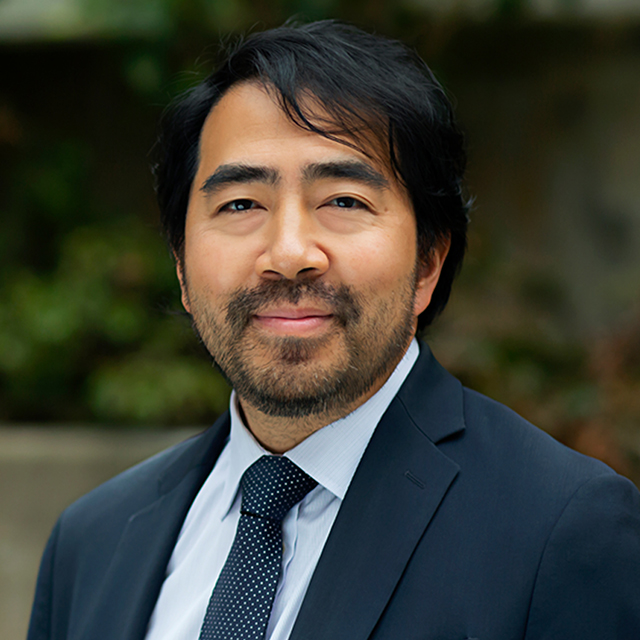
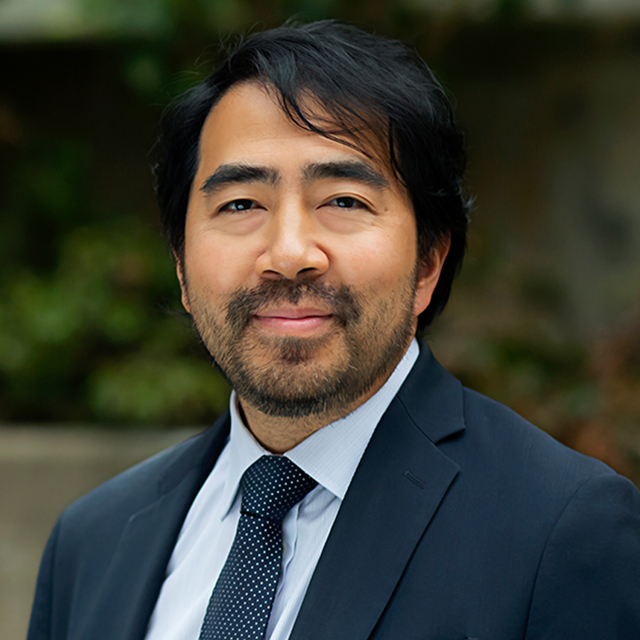
Franklin Huang
Associate Professor of Medicine, University of California San Francisco
Associate Professor of Medicine, University of California San Francisco
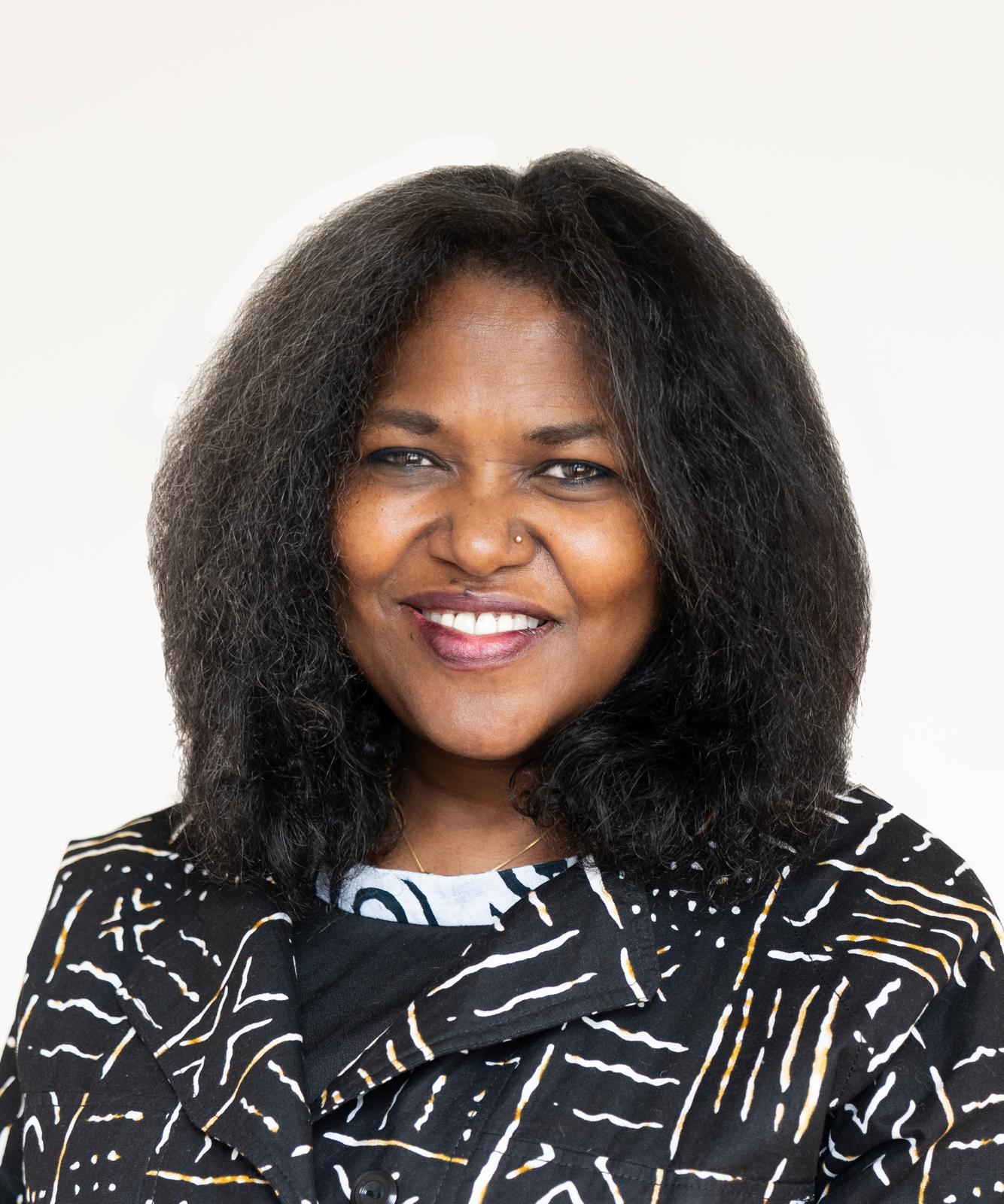
Nazik Hammad
Professor, University of Toronto
Professor, University of Toronto
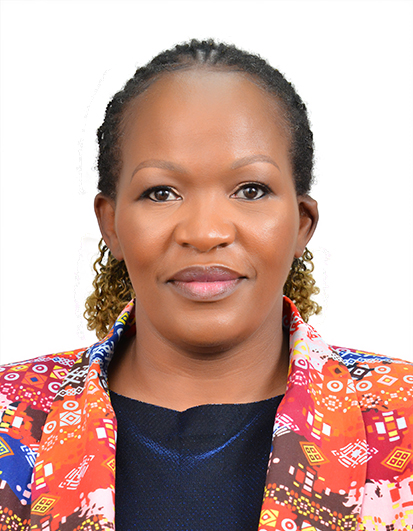
Benda Kithaka
Executive Director & Founder, KILELE Health / ACHA
Executive Director & Founder, KILELE Health / ACHA
Call for Proposals
We are no longer accepting submissions.
The organizers invite submissions of scientific abstracts and session proposals from all persons wishing to present on topics related to global cancer research and control. Areas of interest include research, research training, and program implementation and evaluation, with a focus primarily on low-resource settings. The deadline to submit proposals was May 15, 2026.
Abstracts
Accepted abstracts will be selected for presentation as one of two formats: 1) oral presentation or 2) ePoster. The titles and authors of all accepted abstracts will be available for viewing on the event page. Accepted abstracts presented at ASGCR will be published in a special supplement of ASCO’s JCO Global Oncology. Oral abstract presentations will be recorded and posted on the event page.
Presentation Format
Guidelines for Submissions of Abstracts
Publication Requirements. Unless otherwise stated by the submitting author, all abstracts will be published in ASCO’s JCO Global Oncology following the Symposium. Every accepted abstract considered for publication must have a corresponding presentation at the Symposium. If the designated presenter is unable to participate in the session, a different coauthor may be appointed to present on their behalf. Abstracts are accepted for publication on condition that they have not been published or accepted for publication elsewhere.
Submission Deadline. The deadline for submissions is 11:59 p.m. U.S. ET, May 15, 2026. Abstracts submitted after the deadline will not be considered. No changes may be made to abstracts or the author list after the deadline.
Sessions
Scientific sessions will provide an opportunity to convene speakers to address a current topic in global cancer research and control that aligns with the theme, engages the audience, and seeks to highlight concrete ways to advance the field. Submitters of accepted sessions will be responsible for developing the 60-minute session with the support of the Scientific Steering Committee. These sessions will take place live and will be recorded and posted on the event page.
Guidelines for Submissions of Sessions
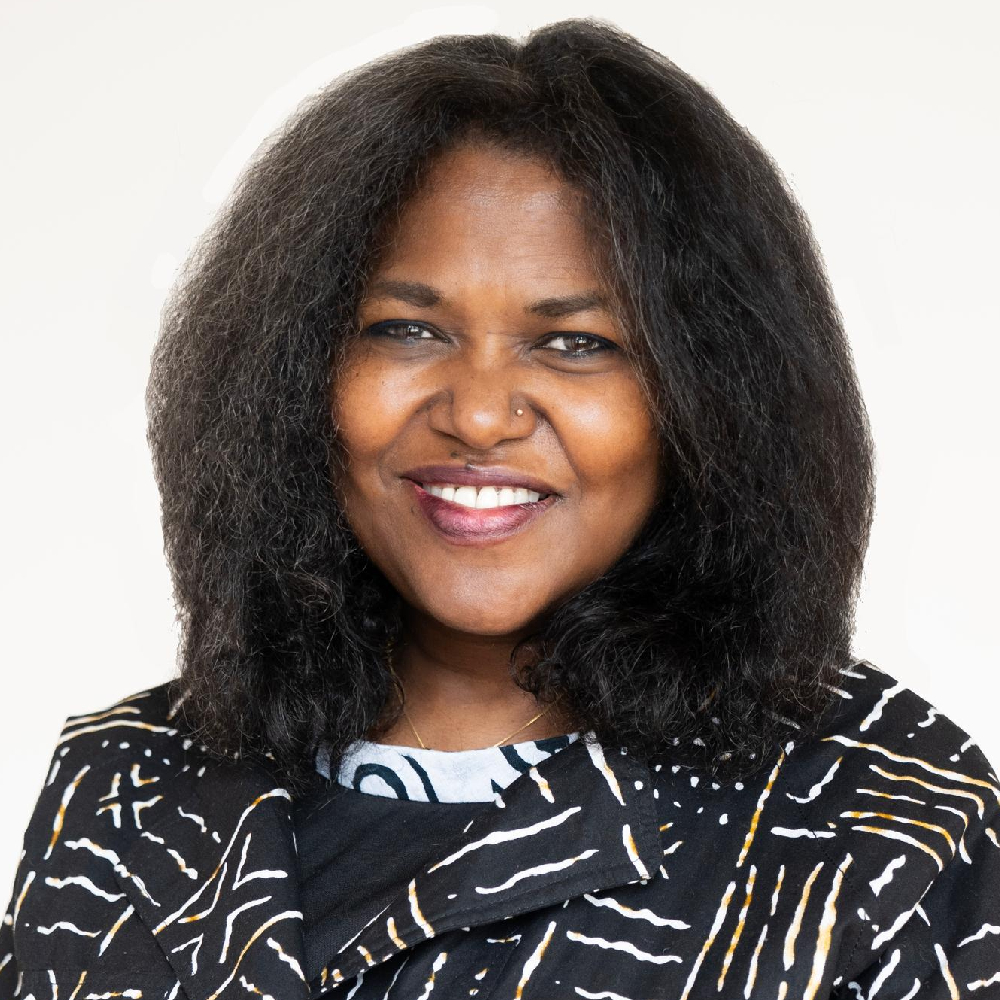
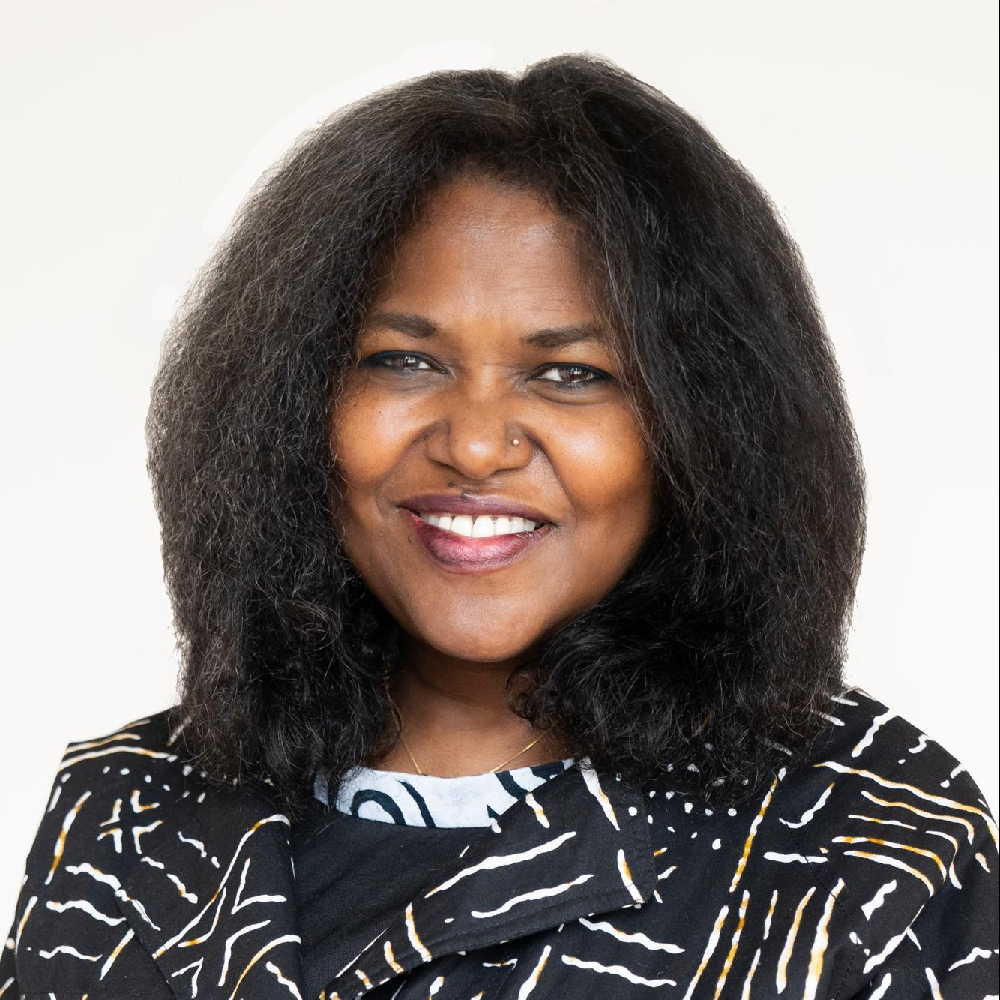
We are pleased to announce Nazik Hammad, M.D., M.Sc., MEHP, FACP, as the recipient of the 2026 Pearline Award for Global Cancer Research!
Presented at the NCI Center for Global Health's Annual Symposium on Global Cancer Research (ASGCR), the Rachel Pearline Award recognizes individuals whose outstanding contributions have advanced global cancer research and helped improve cancer prevention, care, and control worldwide.
Join us at ASGCR to celebrate Dr. Hammad's achievements and hear her keynote address on her work and perspectives on advancing equitable cancer care globally.
About the Rachel Pearline Award
The Rachel Pearline Award honors Rachel Pearline, MD, MPH. Dr. Pearline was a revered oncology fellow who received the award named in her memory in 2016 following her death at the age of 38, in November 2015, from gastric cancer. While in medical school, she completed rotations in South Africa, Haiti, Romania, and rural China where she learned to speak Mandarin fluently. For her work, she received a prestigious Fogarty International Clinical Research Fellowship and Tulane University’s award for “Outstanding International Relationships.” Dr. Pearline was virtuously committed to global cancer control and provided quality care to her patients. She viewed the practice of medicine as a privilege, always striving to serve her patients better.
In honor of Dr. Rachel Pearline, the 14th Annual Symposium on Global Cancer Research Steering Committee would like to invite nominations for the 2026 Annual Rachel Pearline Award. As part of the Symposium each year, we recognize one outstanding professional who embodies virtue and eminence in cancer research, practice, and/or training in a low- and middle-income country (LMIC) setting. The theme of the 2026 Symposium is "From Local Discovery to Global Impact” and the Steering Committee invites nominations of individuals, at any stage in their career, who have made major contributions to global cancer research, practice, and training. The nominee should be affiliated with an institution from a LMIC and their work should focus on cancer research, practice, and/or training in an LMIC setting.
The nominee will be recognized on the last day of the virtual Annual Symposium on Global Cancer Research on September 17, 2026. The nominee will be expected to take part in the award presentation ceremony as well as to give a keynote address that highlights their contributions to cancer research, practice, and/or training in an LMIC setting, and their future perspectives.
Previous Rachel Pearline Award Winners
2025 Asem H. Mansour, MD, Chief Executive Officer and Director General of the King Hussein Cancer Center (KHCC), Amman, Jordan
2024 Benda Kithaka, Founder and Executive Director, KILELE Health, Nairobi, Kenya
2023 Yin Ling Woo, MA, MRCOG, PhD, Professor, Department of Obstetrics and Gynaecology, Faculty of Medicine, University Malaya, Malaysia
2022 C. S. Pramesh, MD, Director, Tata Memorial Hospital, Professor and Head of Thoracic Surgery, Tata Memorial Centre, Mumbai, India
2021 Karla Alfaro, MD, MPH, Medical Director, Basic Health International, San Salvador, El Salvador
2020 Frederick Chite Asirwa, MD, Consultant Physician, Medical Oncologist & Hematologist, CEO, International Cancer Institute (ICI), Eldoret, Kenya
2018 You-lin Qiao, MD, PhD, professor and Director for Department of Cancer Epidemiology, Cancer Institute, Chinese Academy of Medical Sciences and Peking Union Medical College Beijing, China.
2017 Carlos Rodriguez-Galindo, MD, Executive Vice President and Chair of the Department of Global Pediatric Medicine and Director of the International Outreach Program
2016 Rachel Pearline, MD, MPH, Diplomate of Medical Oncology
Professor and Principal Investigator, University of Hawaii
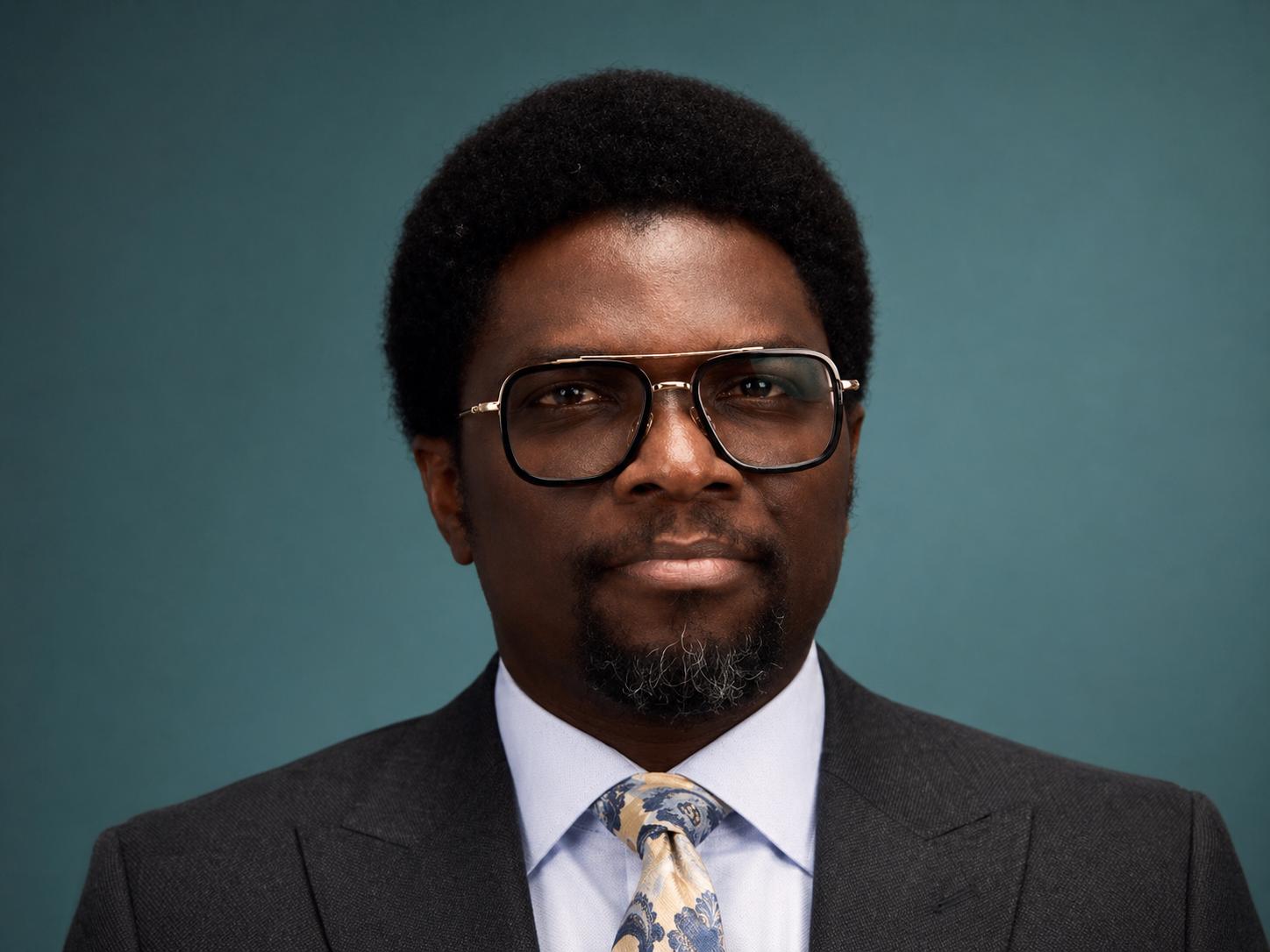
CEO / Director of Artificial Intelligence, Durotimi AI Inc.

Patient Advocate, SWOG Cancer Research Network
Professor, University of Zambia School of Public Health
Program Director, Center for Global Health, National Cancer Institute
Senior Associate Consultant, Mayo Clinic
Associate Professor of Medicine, University of California San Francisco
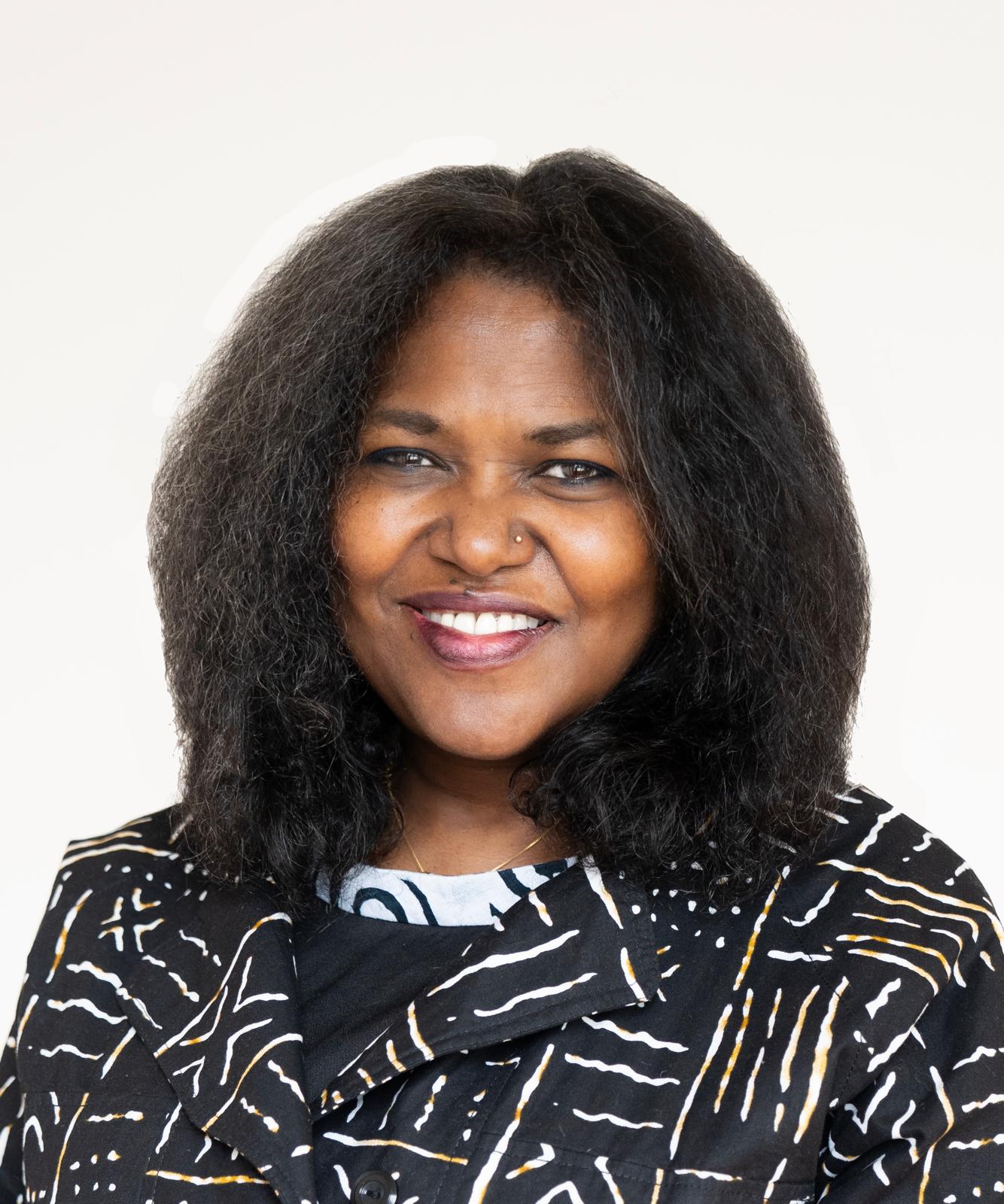
Professor, University of Toronto
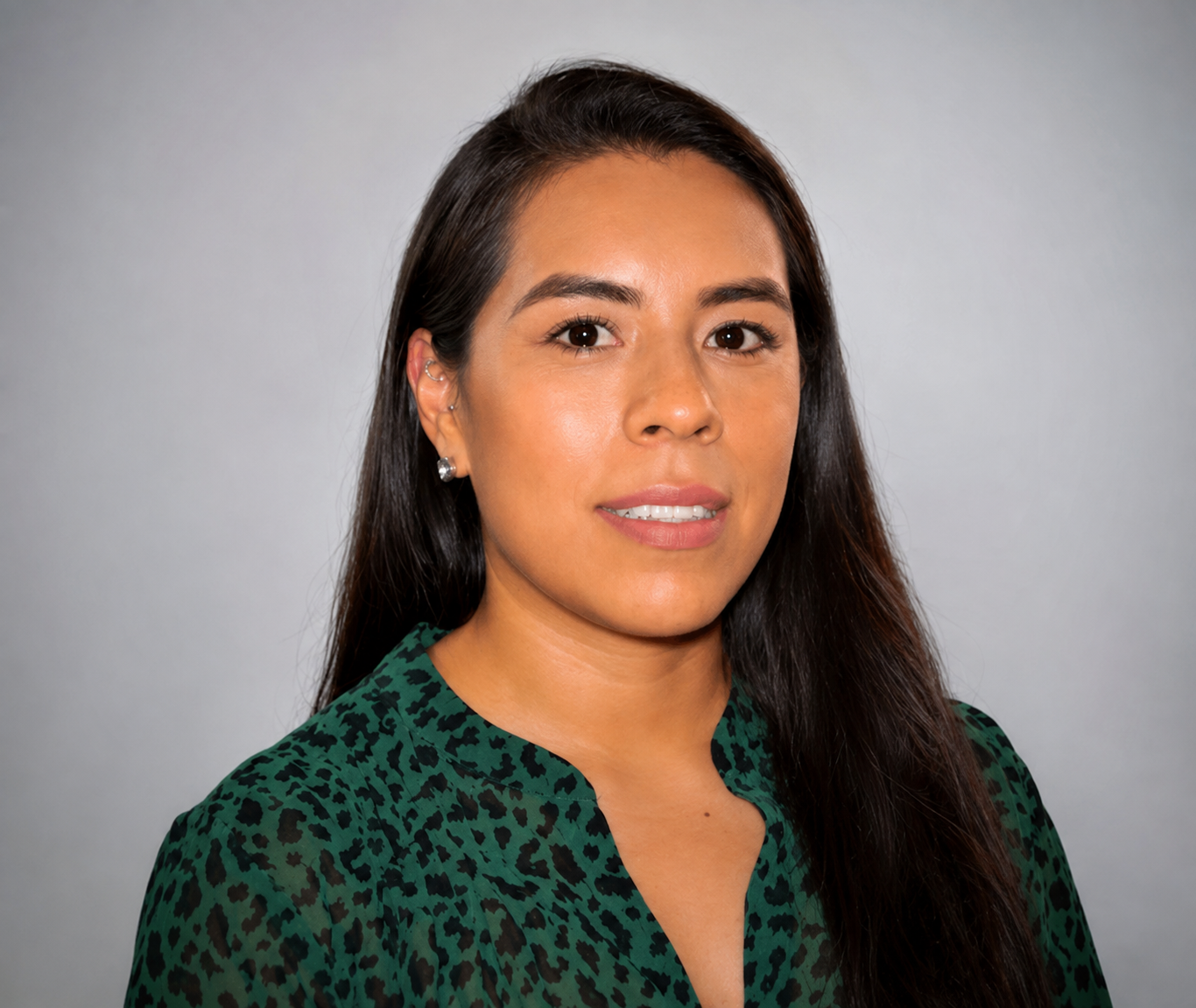
Ph.D. Student in Health Promotion, Education, and Behavior, University of South Carolina

Executive Director/Founder, The Ida Lee Project
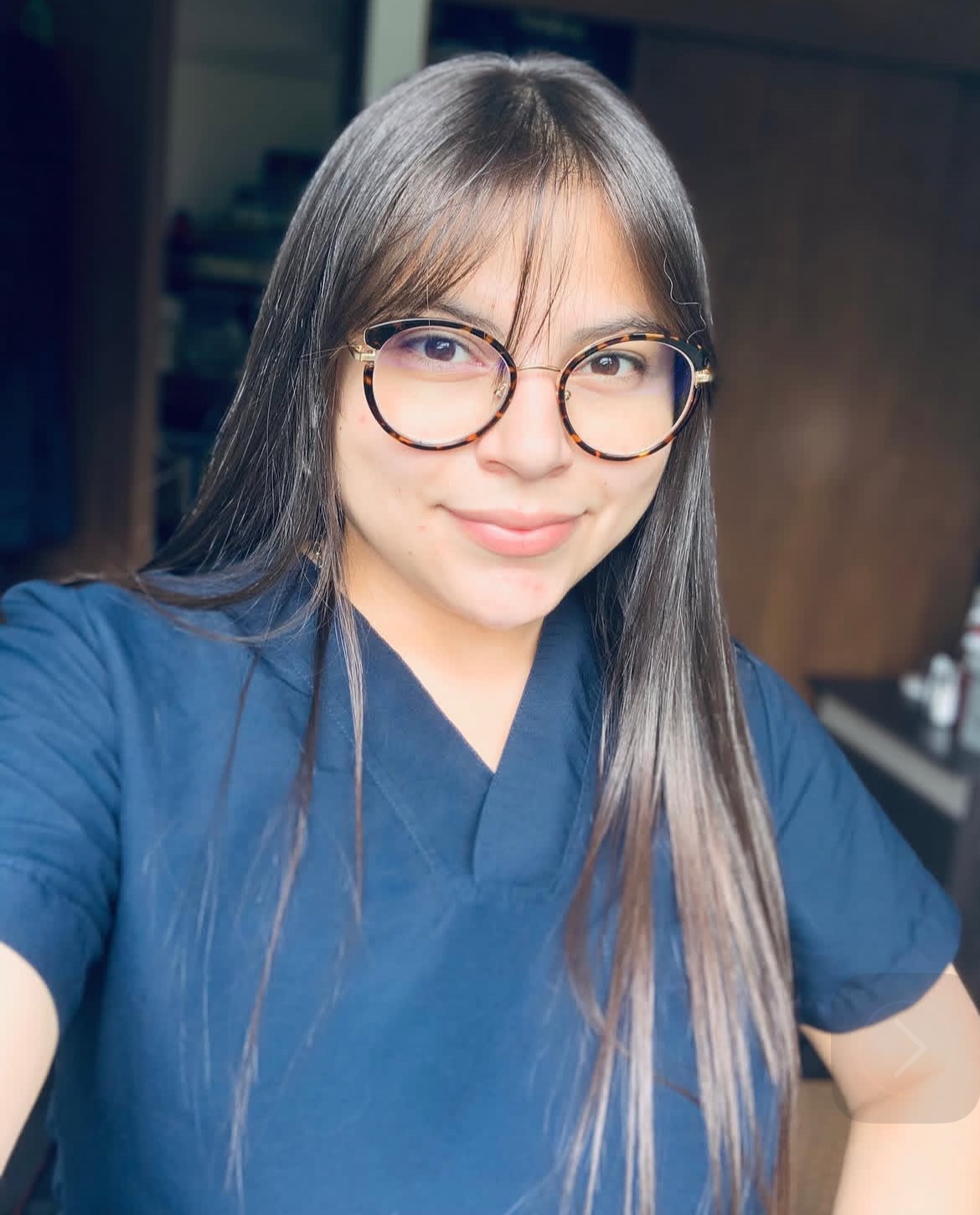
MD, PhD candidate in Biomedical Sciences, Universidad del Tolima
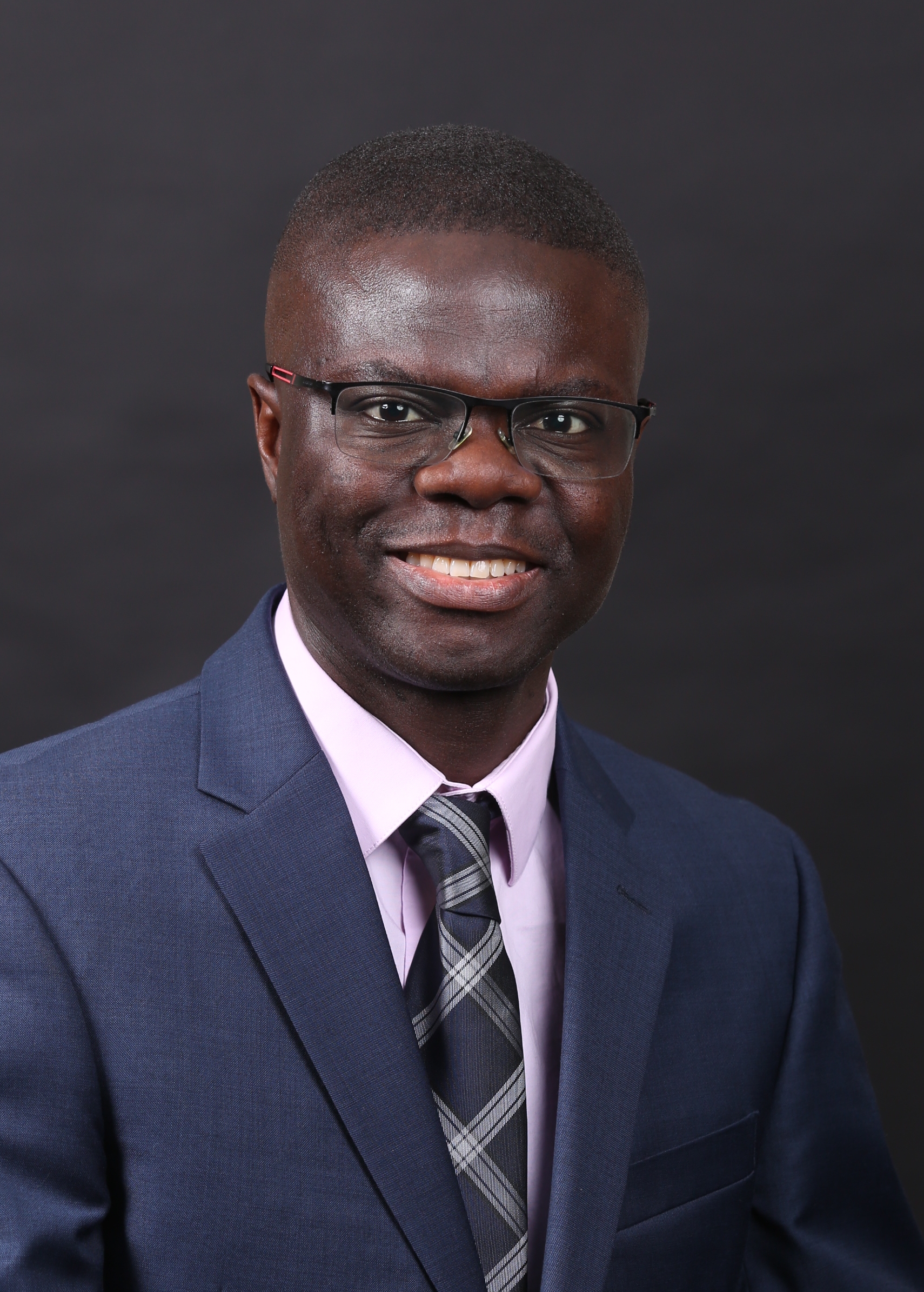
Research Assistant Professor, University of Rochester Medical Center
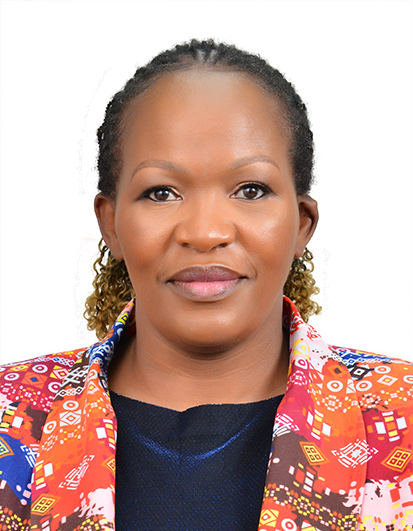
Executive Director & Founder, KILELE Health / ACHA
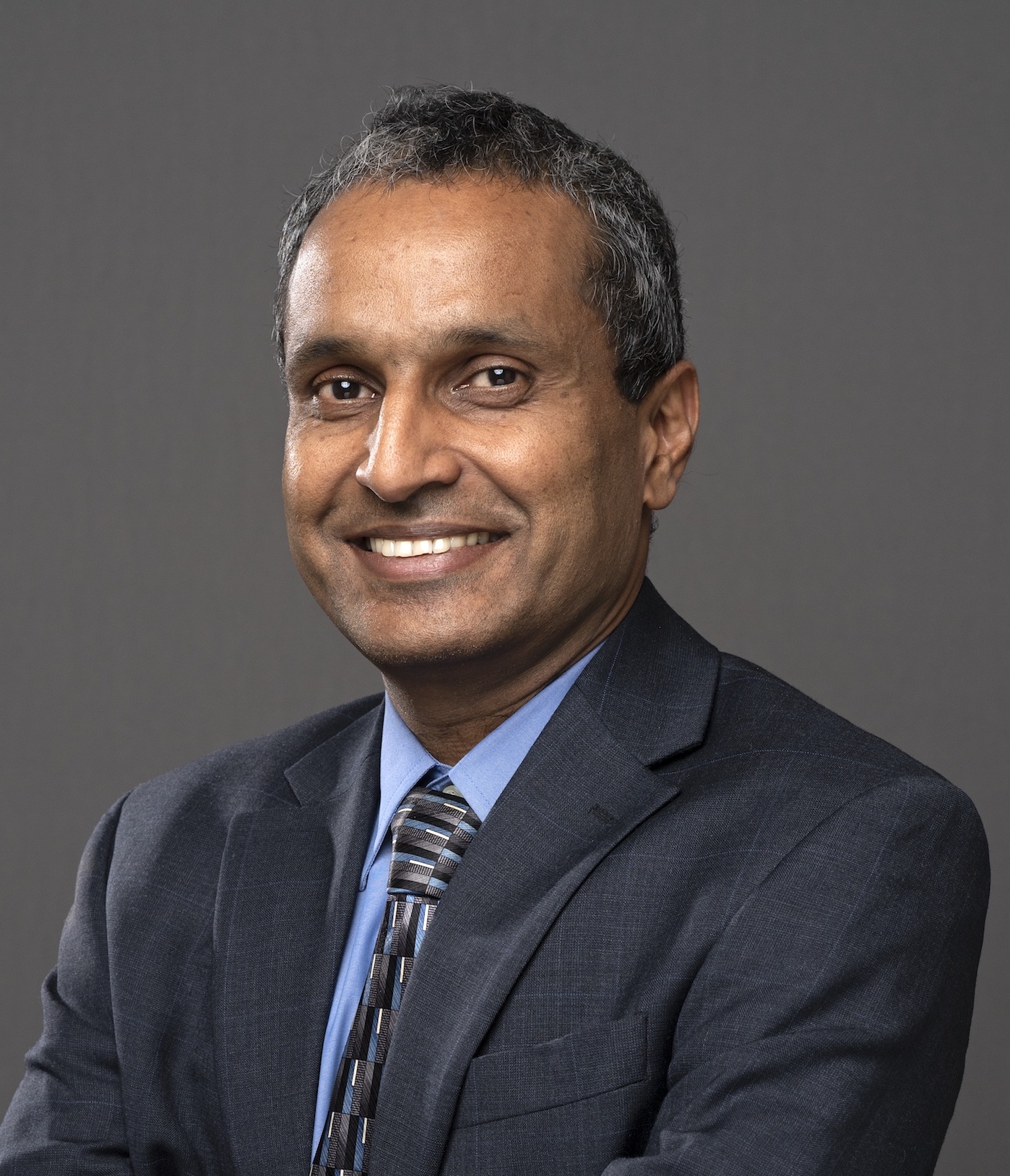
Director, Tata Memorial Hospital; Convener, National Cancer Grid, Tata Memorial Hospital; National Cancer Grid
_1785945991264.jpeg)
Global Cancer Prevention, Program Manager, American Cancer Society
Sara Comstock, MSW, is a public health leader with nearly two decades of experience advancing cancer prevention, early detection, and health equity in the United States and globally. She began her career leading statewide cancer control initiatives and health system partnerships across the U.S., collaborating with public health agencies, healthcare providers, coalitions, and community organizations to expand access to evidence-based cancer screening and prevention services. Sara currently serves as Manager, Global Cancer Prevention at the American Cancer Society (ACS), where she leads efforts to accelerate the implementation of effective cancer prevention strategies in low- and middle-income countries. In her role, Sara leads multi-country initiatives focused on increasing HPV vaccination uptake, strengthening cervical cancer prevention programs, and supporting the development of practical, sustainable solutions that can be integrated into health systems and community settings and she supports Cervical Cancer Action for Elimination (CCAE), a global initiative co-chaired by ACS and Cancer Research UK that brings together civil society organizations, healthcare professionals, policymakers, and advocates to advance progress toward the World Health Organization’s goal of eliminating cervical cancer.
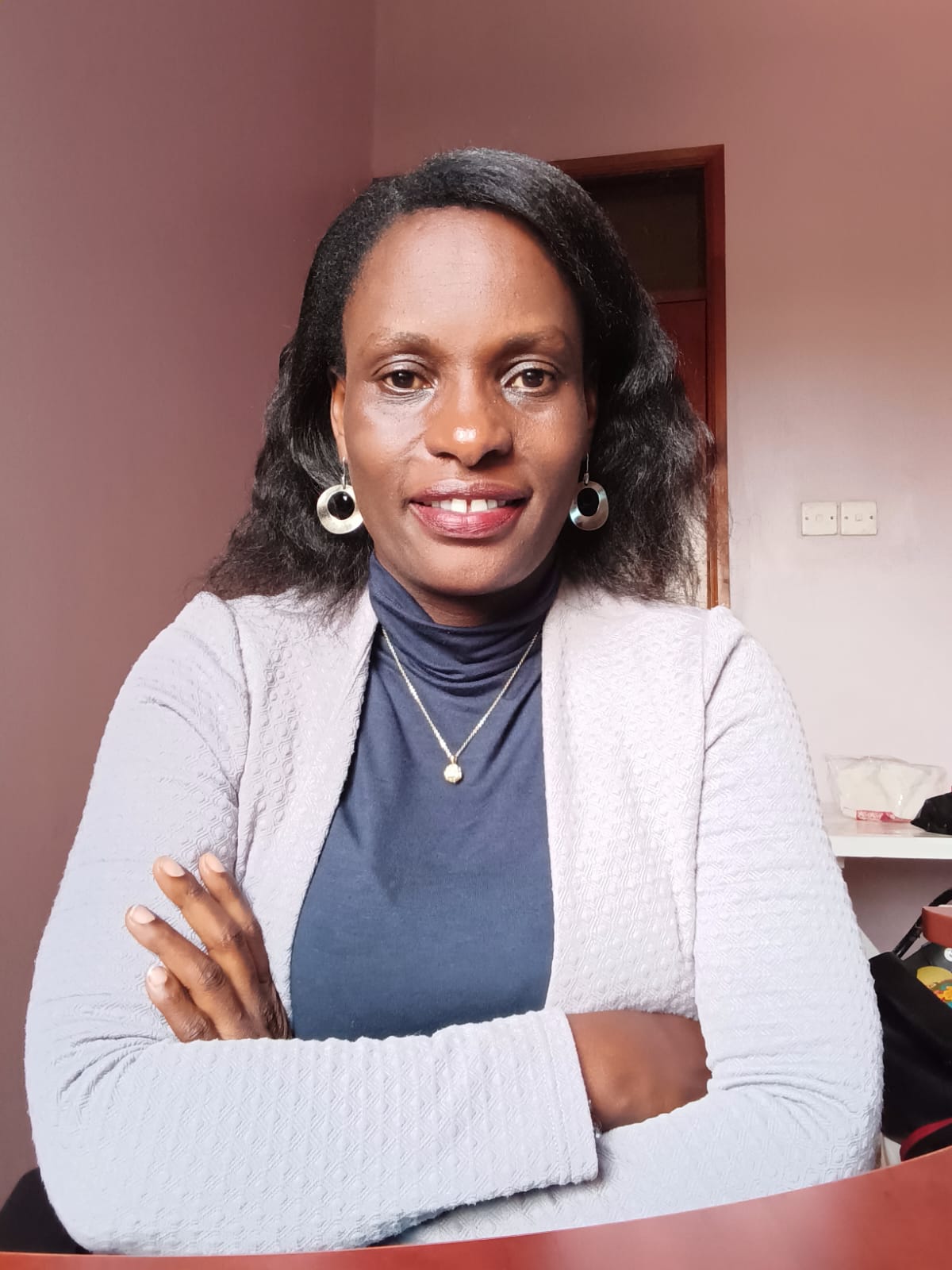
Director, Ananda Center for Cancer Research
Dr. Annet Nakaganda is a Cancer Epidemiologist, Clinical Officer, and global health researcher with more than 20 years of experience leading cancer research, surveillance, and implementation science in sub-Saharan Africa. Her work focuses on strengthening cancer prevention and control through the development of locally relevant evidence, innovative surveillance systems, and research that informs policy and practice in resource-constrained settings. She is the Founder and Director of the Ananda Centre for Cancer Research (ACCR), where she leads multidisciplinary programmes in cancer epidemiology, implementation research, and health systems strengthening. Dr. Nakaganda has established and led national and regional initiatives in cancer surveillance, including the development of cancer registration systems, harmonisation of cancer registry guidelines across East Africa, and the design of standardized tools for cancer risk factor surveillance. Her current work focuses on translating locally generated data into actionable strategies that support national cancer control planning and equitable access to cancer prevention and care. Dr. Nakaganda has served as Principal Investigator and collaborator on research funded by the U.S. National Institutes of Health, Ministries of Health, and international partners. She is a Commissioner on the Lancet Oncology Commission for Sub-Saharan Africa and is committed to strengthening African-led research, building research capacity, and advancing sustainable, data-driven solutions for cancer control across low- and middle-income countries.
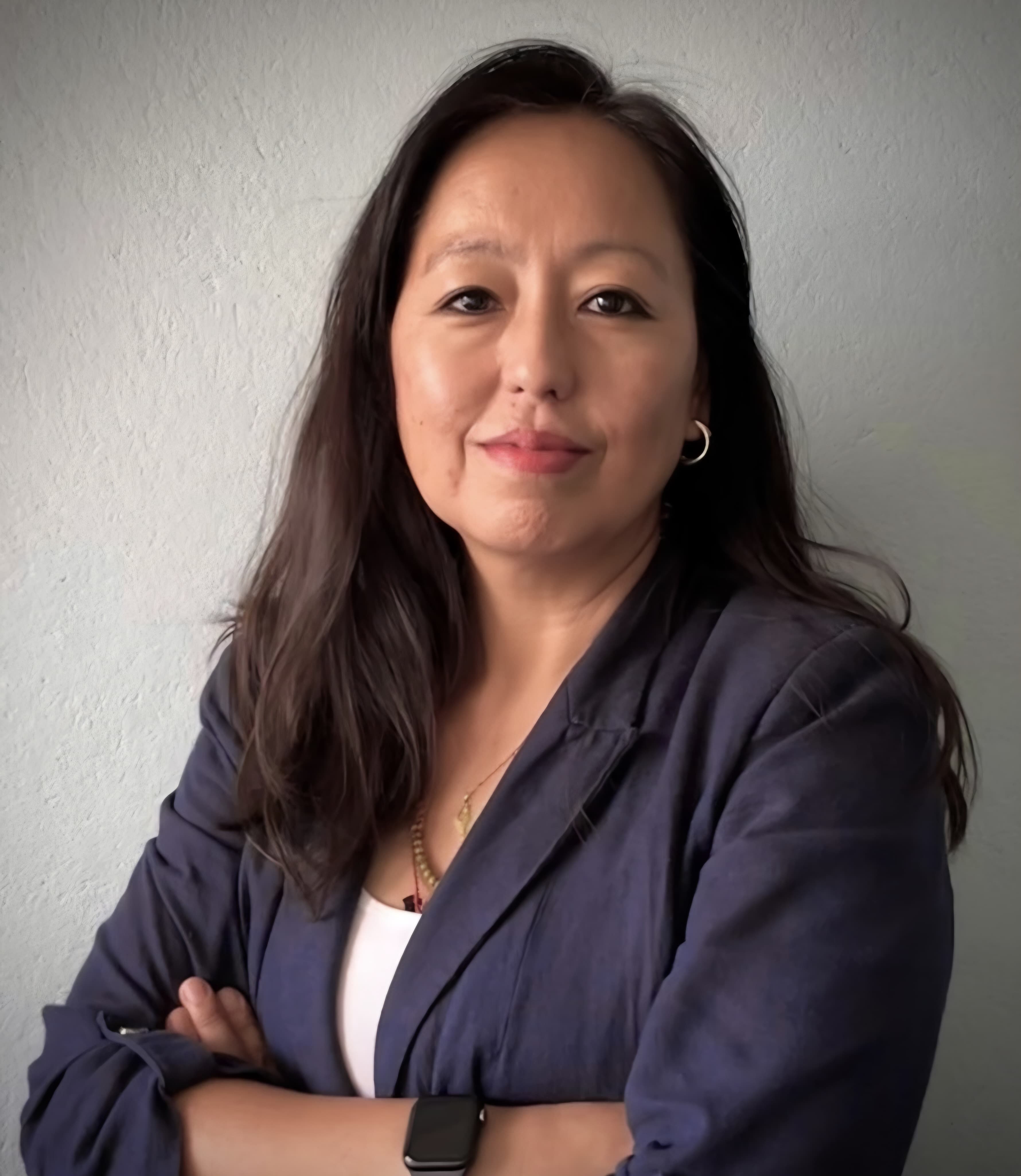
Executive Director, NFCC
Pema Lhaki is a development worker and the Executive Director at NFCC - Nepal’s leading NGO which has been working on reproductive health for the past 38 years. Pema’s key interests are Adolescents; HPV/Cervical Cancer and Menstruation. In 2011, Pema was instrumental in introducing HPV testing and self-sampling in Nepal. She worked closely with the Government in the introduction of HPV vaccination and HPV DNA testing. She has helped develop the National Cervical Cancer Screening and Prevention Implementation Plan. In 2023, in collaboration with and under the leadership of a local government, she led the deployment of HPV DNA testing using self sampling at the household level which continues till date and has screened and where required treated all eligible women in the ward. In 2023, Pema became Nepal Country Ambassador of the the International Papilloma Virus Society. In 2024, with technical support from University of Alabama at Birmingham, Pema brought together two of her interests, HPV/cervical cancer and menstruation by leading a study to explore the feasibility of detecting HR-HPV in menstrual blood in regular pads available in Nepal. Pema is actively involved in supporting the Government's National HPV Vaccination Program as well cervical cancer Screening Program. In 2026, under her lead, the Nepal Papilloma Virus Society, the Nepal chapter of the International Papilloma Virus Society was launched. Pema continues to actively engage in academic research, ground level implementation and policy level advocacy related to Cervical Cancer and HPV related cancers.

Pharmacist, Ananda Center for Cancer Research
I am a Ugandan pharmacist and Young Investigator at the Ananda Center for Cancer Research (ACCR). My work focuses on improving equitable access to cancer medicines through pharmaceutical systems strengthening, oncology supply chains, and capacity building. I have contributed to national initiatives on oncology medicine access, including the UICC ATOM Coalition and Good Manufacturing Practice (GMP) capacity-building efforts in Uganda. I have experience in pharmacy practice, procurement, regulatory affairs, and oncology and infectious diseases research. I am passionate about strengthening local pharmaceutical manufacturing, advancing cancer care in low- and middle-income countries, and supporting evidence-based policies that improve patient access to quality-assured cancer medicines.
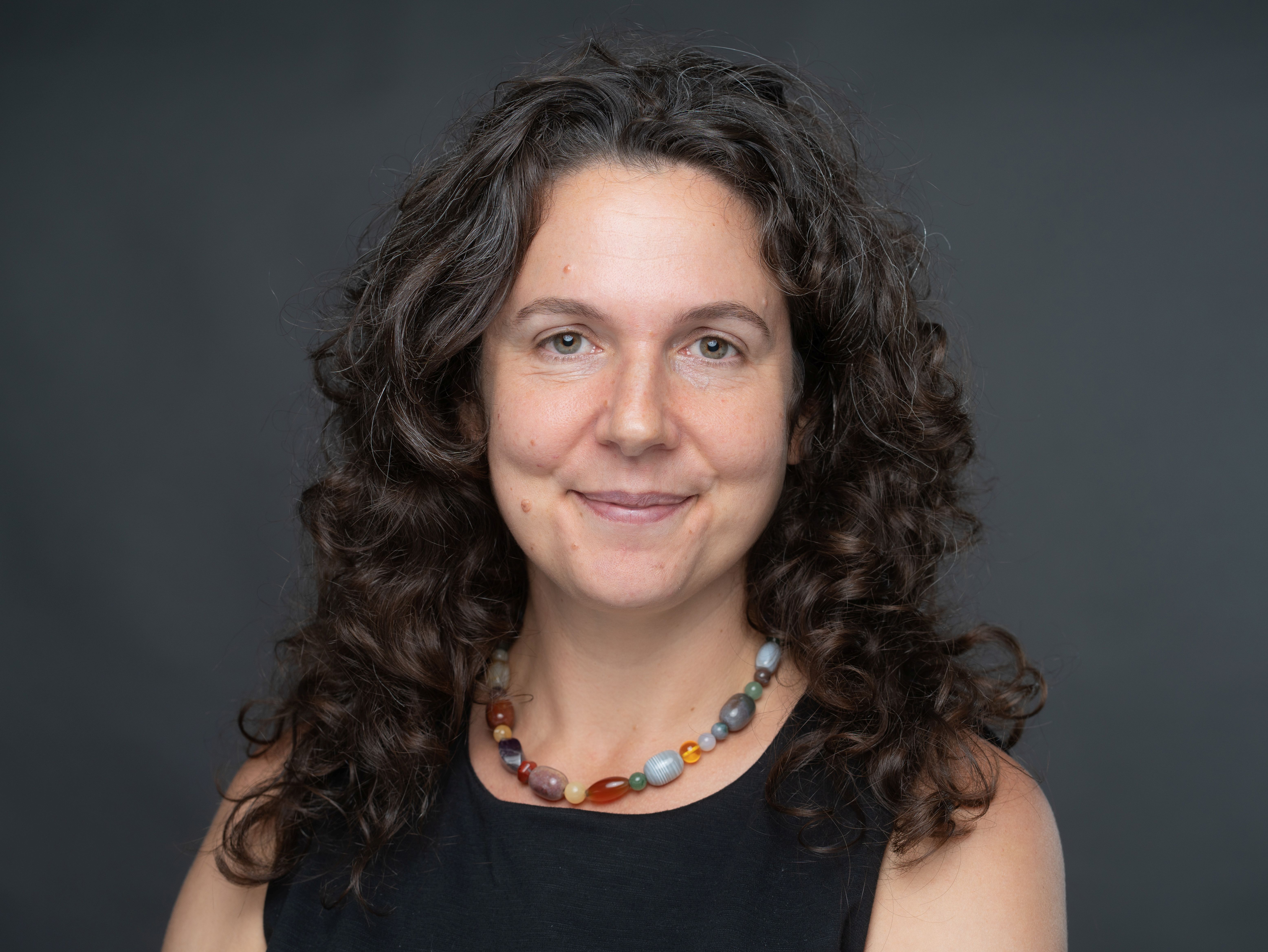
Associate Professor, New York University School of Global Public Health
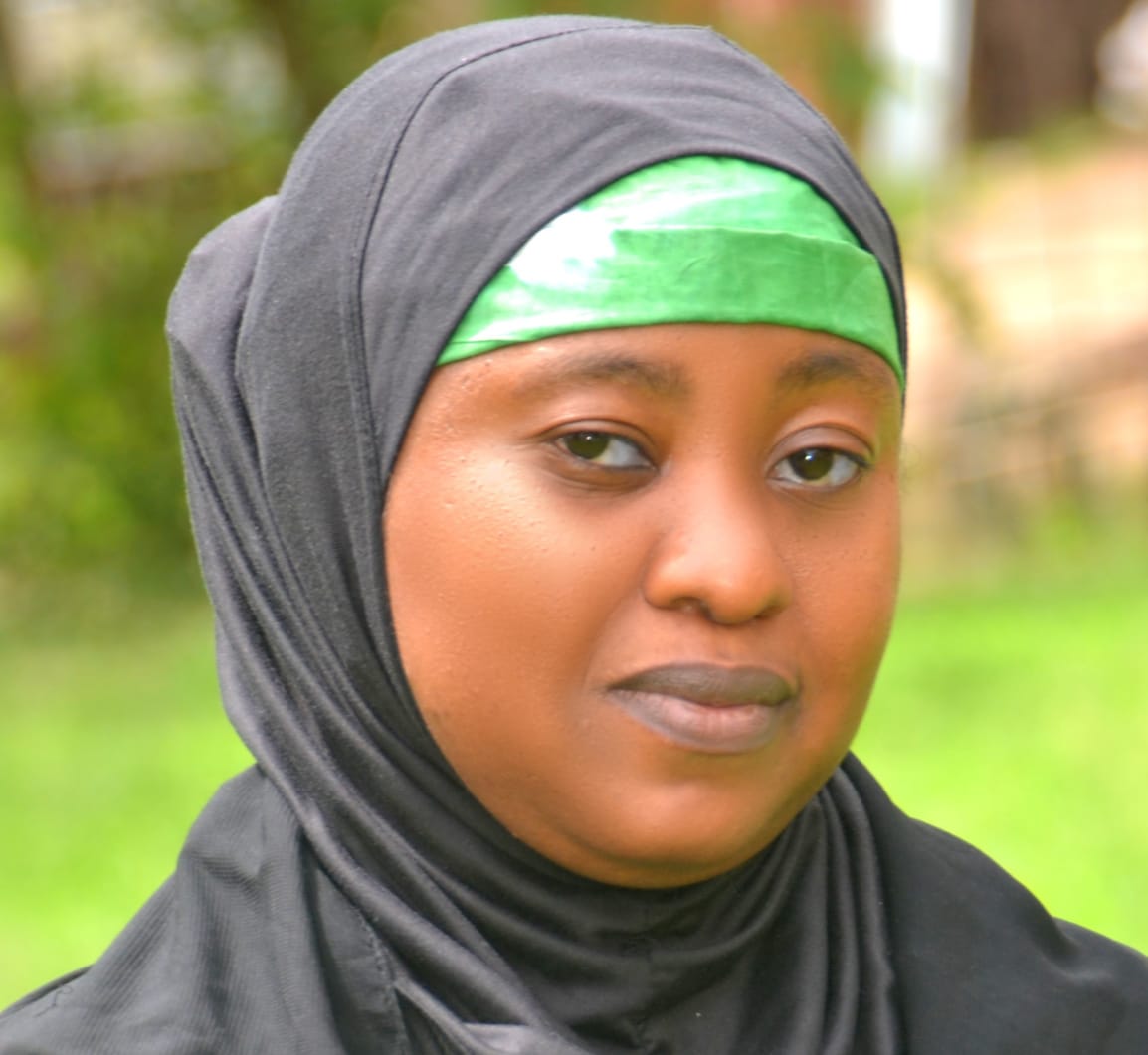
Clinician researcher, University of Jos/ Jos University Teaching Hospital
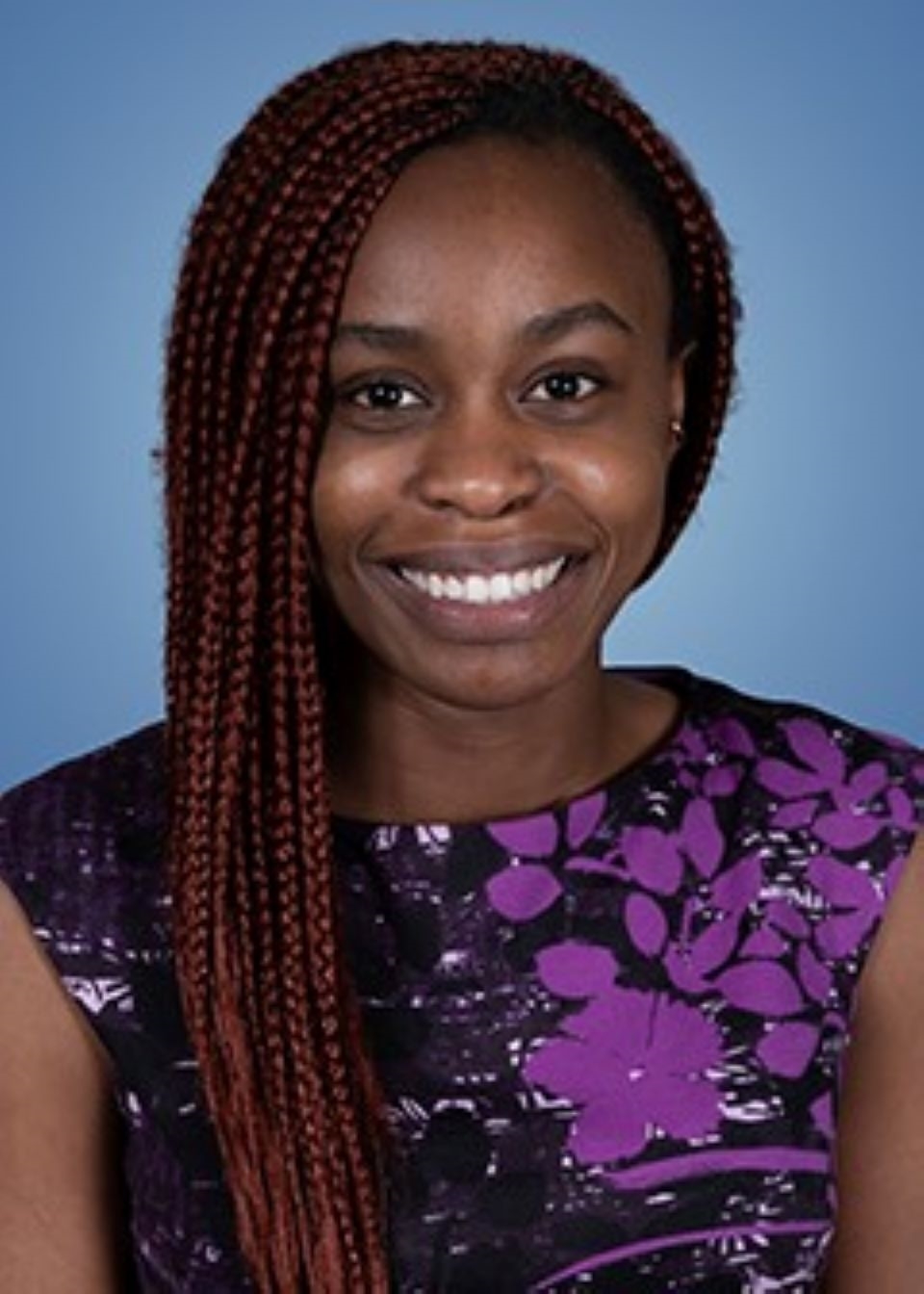
Assistant Professor of Medicine, Duke Cancer Institute
Dr. Kwaramba is a physician-researcher and medical oncologist specializing in gastrointestinal malignancies and global oncology. Her research centers on improving equitable access to cancer prevention, diagnosis, treatment, and survivorship care in resource-limited settings by bridging health equity, implementation science, and clinical oncology, with a particular focus on optimizing care delivery and resource utilization.
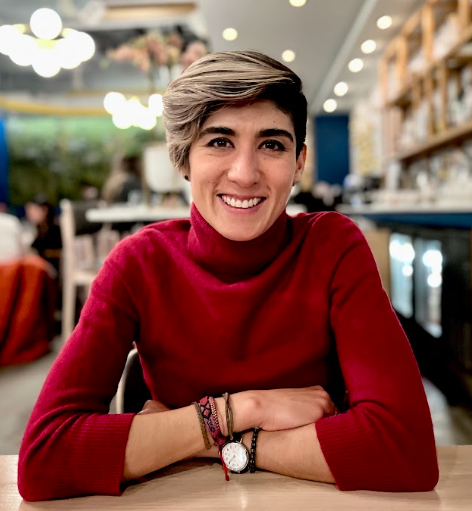
Behavioral Economist, Behavioral Methods LLC / ACS
Déborah Martínez Villarreal, PhD, is a behavioral economist and consultant to the American Cancer Society. She applies behavioral science and experimental methods to strengthen vaccination and public health programs, with a particular focus on HPV vaccination.
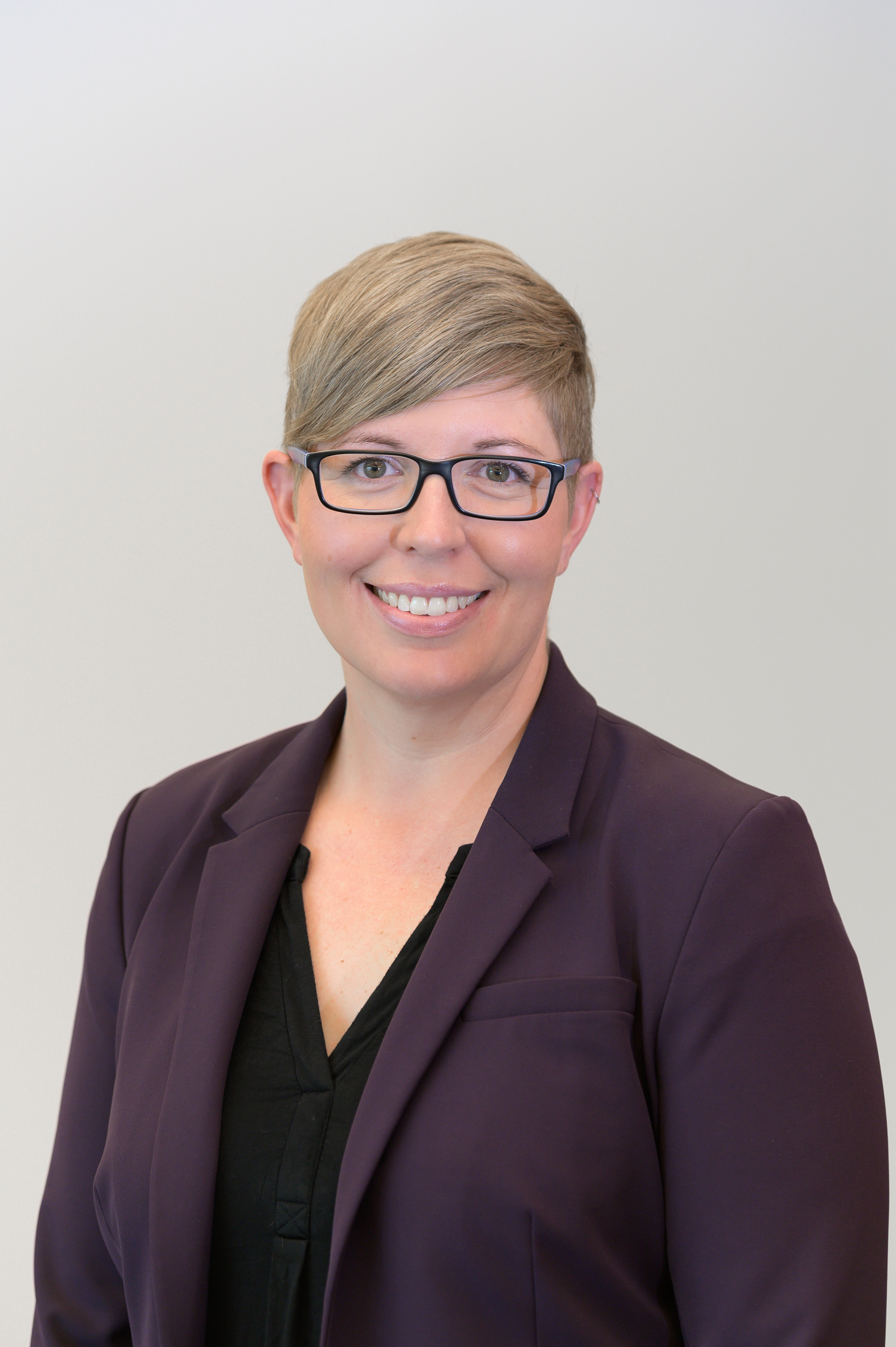
Branch Director, Partnerships and Dissemination, Center for Global Health, National Cancer Institute

Research Coordinator, Lakeshore Cancer Center
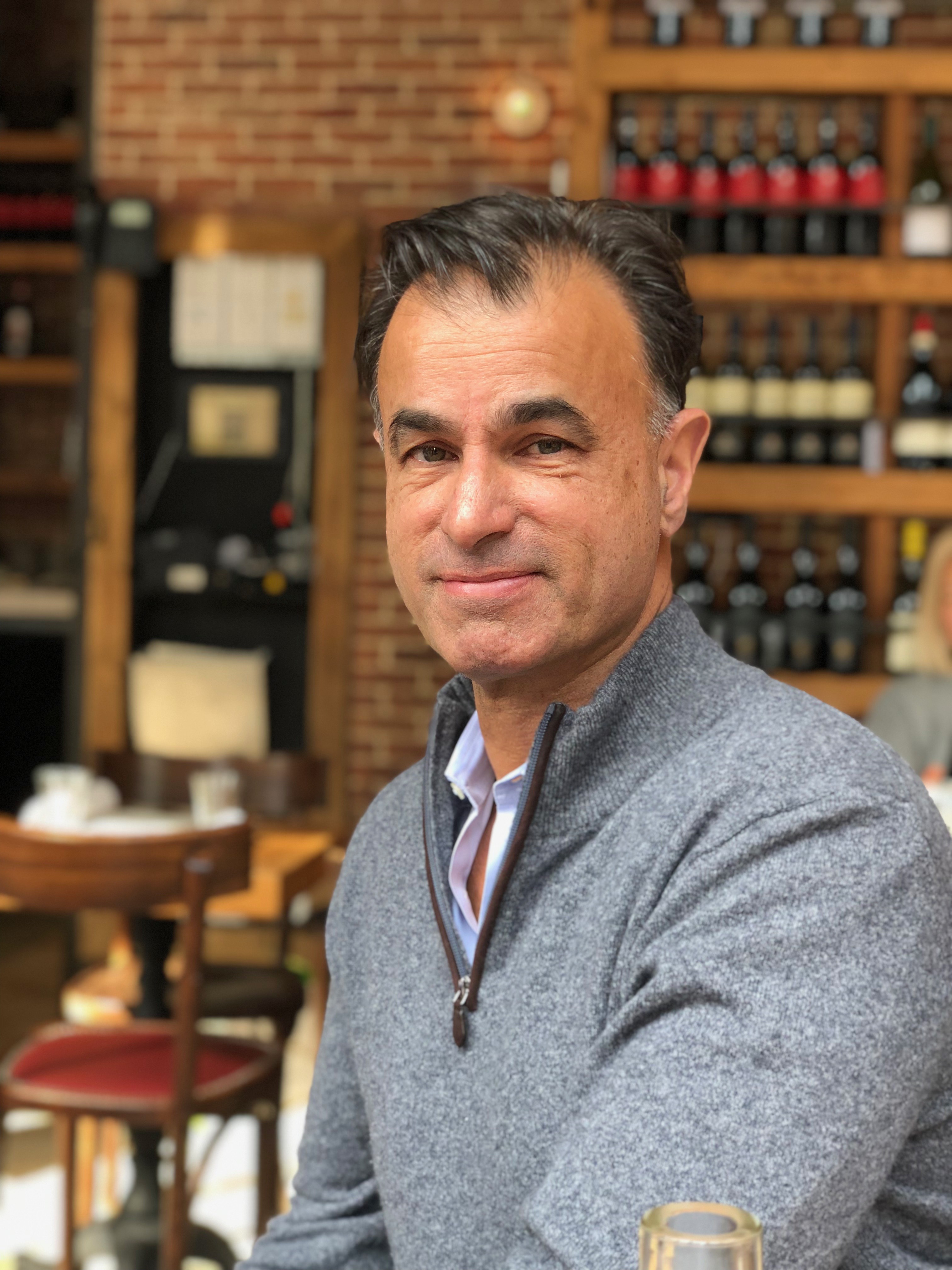
Executive Director, CUGH
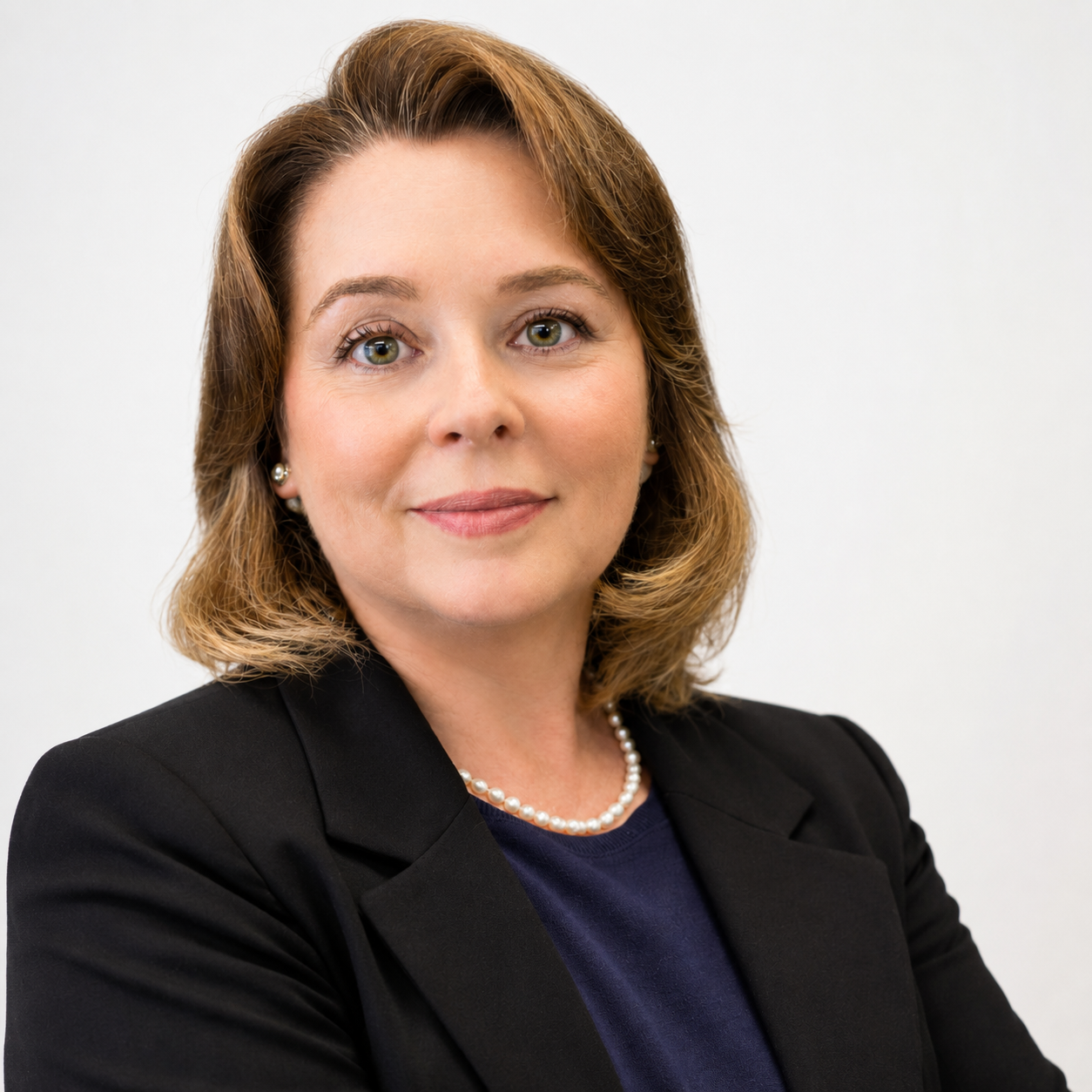
Associate Professor, Londrina State University
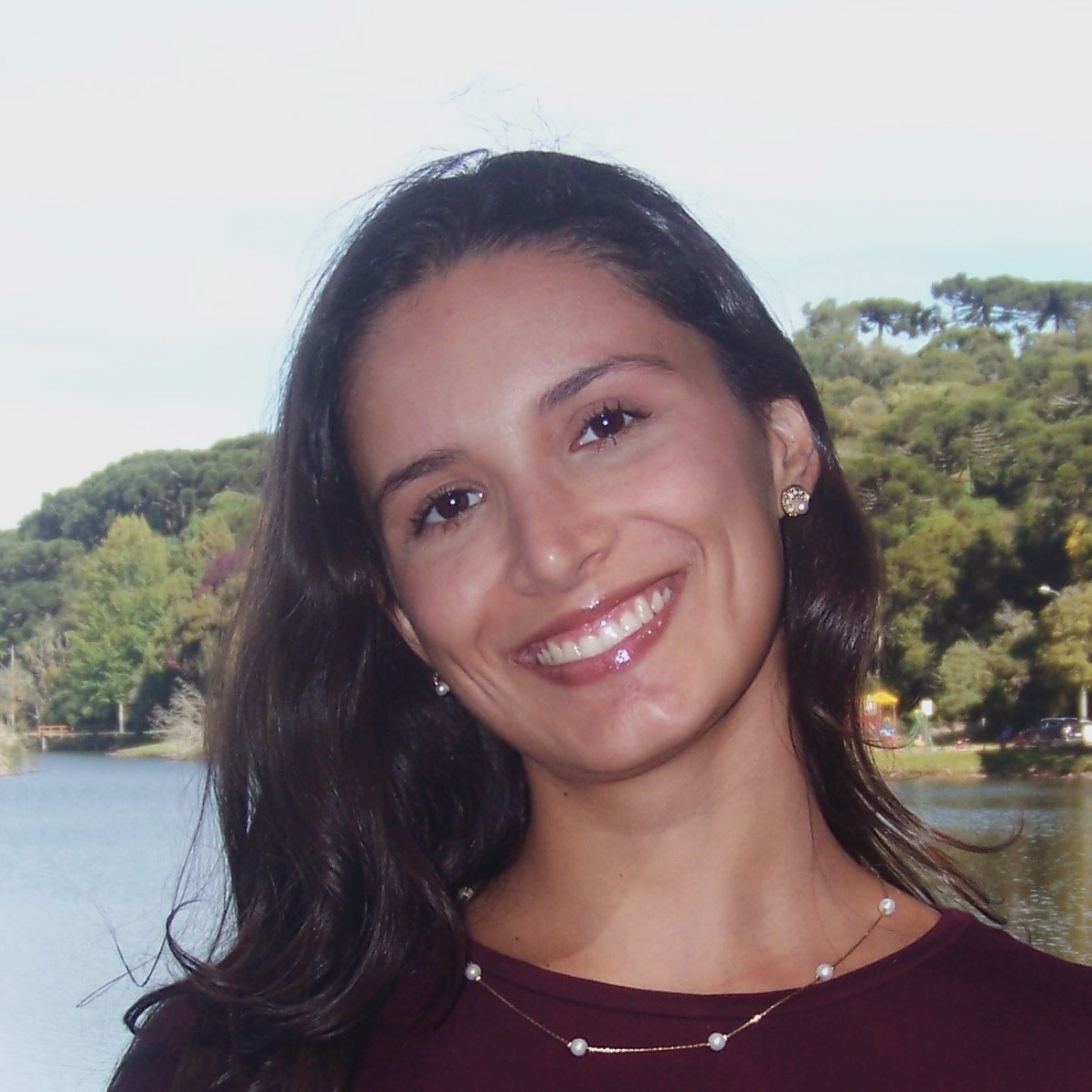
Student, Pontifícia Universidade Católica do Rio Grande do Sul
Solana de Melo is a medical student and clinical researcher at the Pontifícia Universidade Católica do Rio Grande do Sul (PUCRS) in Porto Alegre, Brazil. Her academic and scientific endeavors are primarily focused on clinical oncology, research methodology, and the application of evidence-based medicine within public health systems. Her current research activities center on analyzing oncological outcomes, evaluating therapeutic efficacy, and identifying systemic barriers to timely cancer diagnosis and treatment. Beyond clinical studies, her academic focus includes the integration of multidisciplinary approaches to cancer control, contributing to projects that evaluate the cost-effectiveness of oncological interventions and the implementation of standardized care guidelines in resource-constrained settings. By participating in international academic collaborations, she seeks to foster knowledge exchange between Latin American research institutions and the wider global oncology community. In addition to oncological research, her academic profile encompasses collaboration with multidisciplinary research groups dedicated to chronic diseases, metabolism, and global health strategies. This comprehensive research background informs her work on addressing systemic healthcare challenges and promoting equitable health policies. At the 14th Annual Symposium on Global Cancer Research, de Melo contributes to the academic discourse on optimizing cancer control strategies. This work aims to bridge the gap between clinical research and practical policy implementation, aligning with global efforts to improve healthcare equity and survival rates in low- and middle-income countries.
Professor, City of Hope National Medical Center
_1786636617126.jpg)
Director, Center for Global Health, National Cancer Institute
Satish Gopal, M.D., M.P.H. was appointed Director of the Center for Global Health (CGH) at the National Cancer Institute (NCI) in 2020. In this role, he oversees the development of initiatives and collaborations with other NCI and NIH partners, NCI-designated cancer centers, and other governmental and non-governmental organizations to support cancer research, promote science-based cancer control, and build research capacity in low- and middle-income countries. Before coming to NCI, Dr. Gopal was the Cancer Program Director for the University of North Carolina collaboration with the Malawi Ministry of Health.
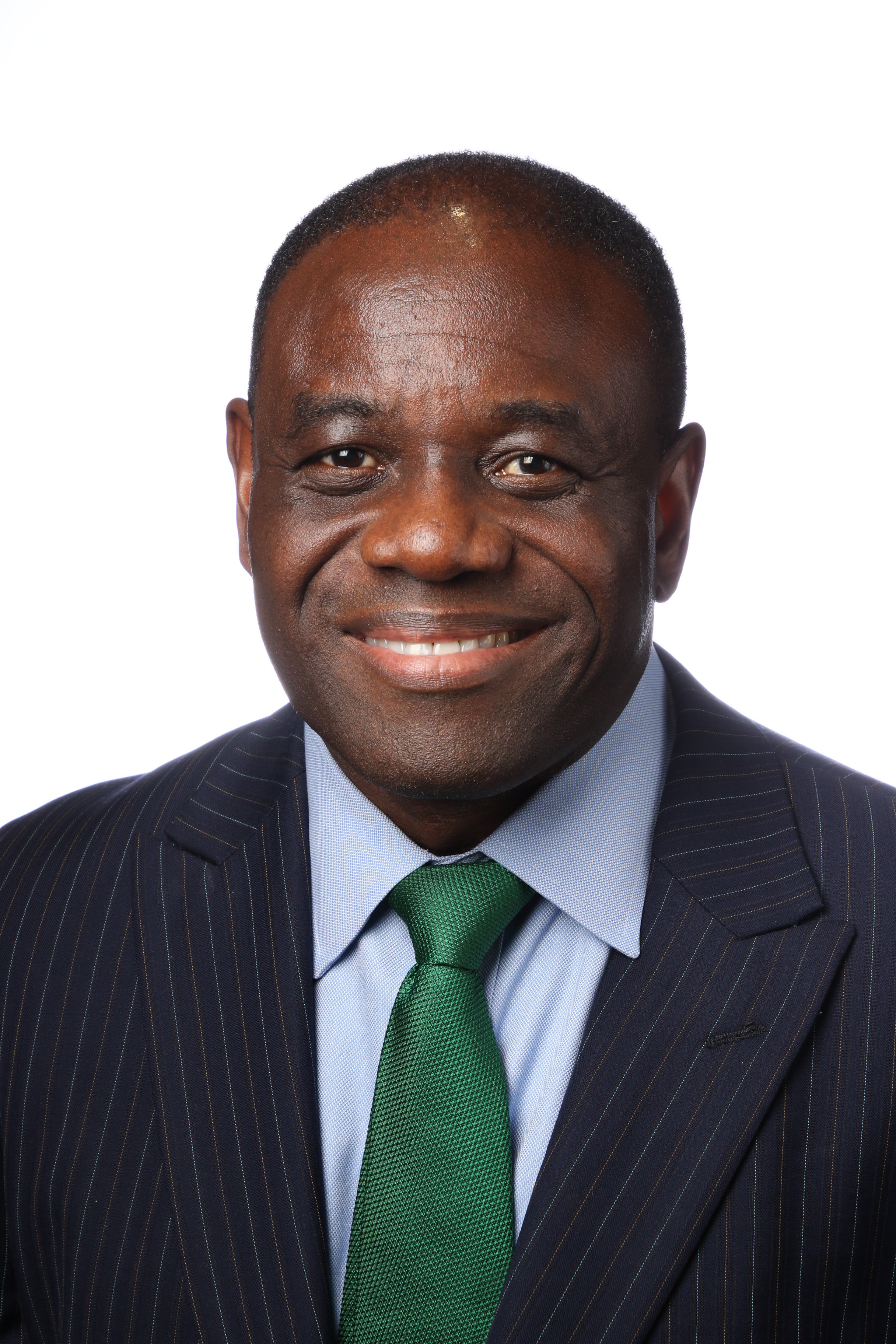
Associate Professor, Georgia College & State University
Dr. Ernie Kaninjing is an Associate Professor of Public Health at Georgia College and State University in Milledgeville GA. He is a behavioral health scientist with expertise in prostate cancer disparities research. The focus of his research is to identify and contribute meaningfully to mitigate the environmental, dietary, behavioral, and social risk factors that contribute to prostate cancer health disparities among men of African ancestry. Additionally, his research explores the “within-group” differences in prostate cancer outcomes among men of African ancestry. Furthermore, His research examines the impact of immigration on prostate cancer outcomes among sub-Saharan African Immigrants (SSAI) and Caribbean Immigrants in the United States. Dr. Kaninjing has over ten years of community-engaged research experience, working with underserved communities in Florida and Georgia to address factors that contribute to differences in cancer outcomes. He has led initiatives focused on improving access to breast cancer screening among uninsured women in Leon and Gadsden counties in Florida, and similarly led efforts aimed at improving the quality of life for Black prostate cancer survivors in Georgia through community-driven efforts.
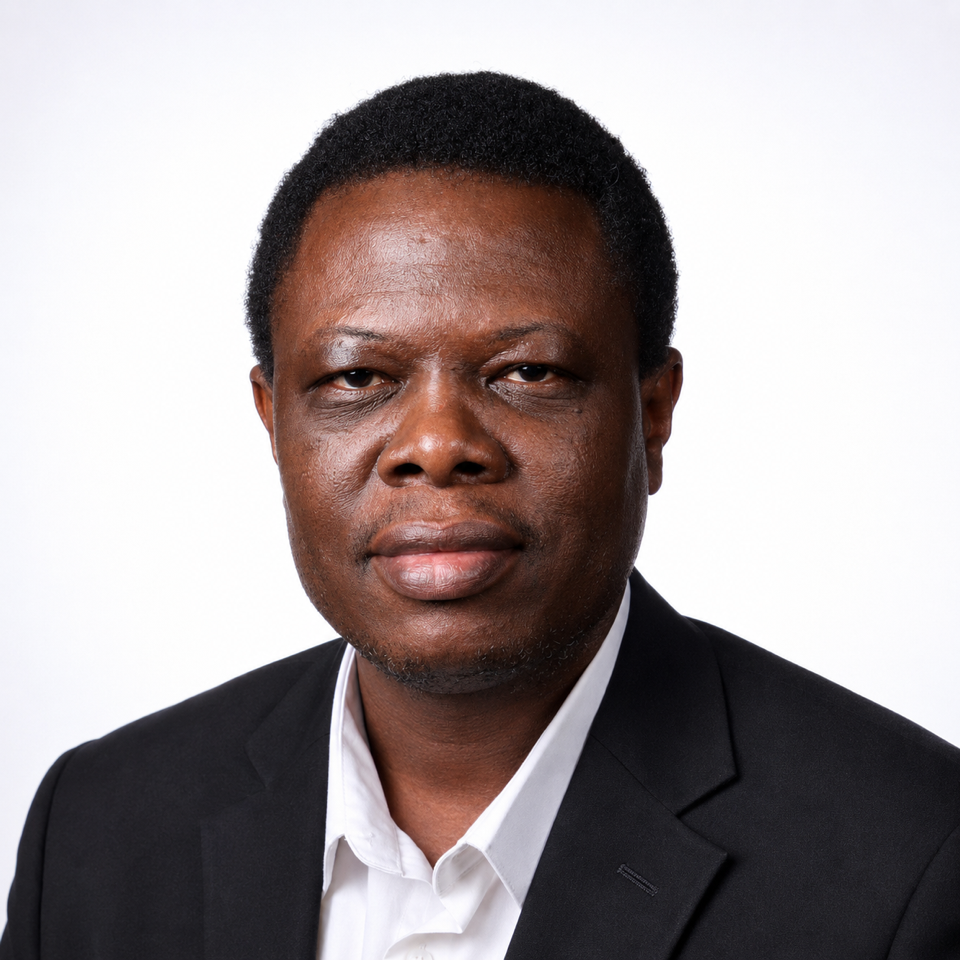
Professor, Covenant University
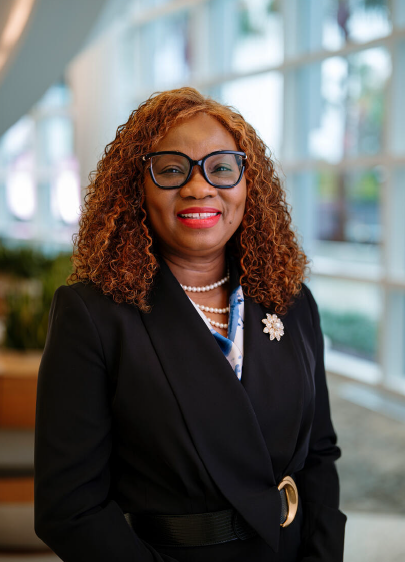
Professor, Consultant & Enterprise Deputy Director, Global Oncology, Mayo Clinic Comprehensive Cancer Center
Dr. Folakemi T. Odedina (PhD, BPharm) is an internationally recognized cancer researcher, global oncology leader, and champion for health equity whose work has transformed cancer research, clinical trials, and cancer control for underserved populations worldwide. She serves as Professor of Hematology/Oncology and Quantitative Health Sciences, Consultant and Enterprise Deputy Director for Global Oncology at the Mayo Clinic Comprehensive Cancer Center, where she leads strategic initiatives to advance global cancer research, precision community health, and equitable access to clinical trials. A highly funded and widely published scientist with more than 30 years of continuous research leadership, Dr. Odedina has directed over 60 research projects supported primarily by the U.S. National Institutes of Health, National Cancer Institute, and the Department of Defense. Her research focuses on prostate cancer, implementation science, inclusive clinical trials, and community-engaged interventions that improve cancer outcomes among populations of African ancestry globally. Dr. Odedina is the Founder and Emeritus Principal Investigator of the internationally acclaimed Prostate Cancer Transatlantic Consortium (CaPTC), which has united more than 1,000 investigators across Africa, Europe, the Caribbean, and North America to address prostate cancer through collaborative science. She also serves as Consortium Director of the iCCaRE for Black Men Consortium, advancing innovative models of equitable cancer care through decentralized clinical trials, artificial intelligence, and community-based technologies. A passionate mentor who has trained hundreds of investigators globally, Dr. Odedina also contributes to cancer policy and systems strengthening. She recently was appointed Chair of Nigeria's Ministerial National Cancer Control Plan Technical Working Group.
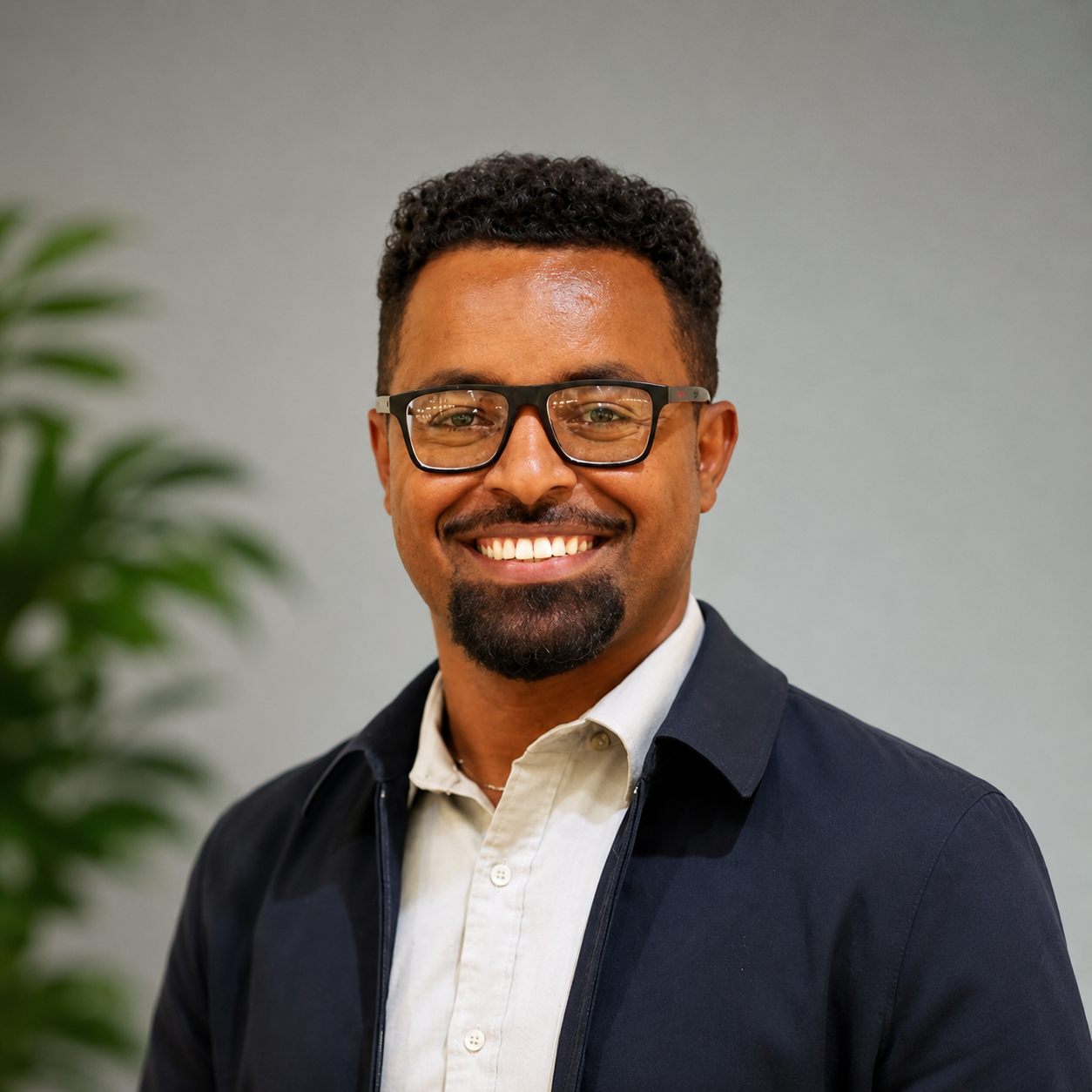
Clinical Oncologist, Adama Hospital Medical College
Dr. Biniyam Tefera Deressa, MD is a Clinical Oncologist and Associate Professor at Adama Hospital Medical College, Ethiopia, where he provides comprehensive cancer care while leading oncology services, research, and training. His work focuses on improving equitable cancer care through implementation science, health systems strengthening, and patient-centered approaches in low-resource settings. Dr. Biniyam has led and collaborated on multiple international research initiatives aimed at improving cancer prevention, early detection, psychosocial care, and implementation of evidence-based interventions in Ethiopia. His work bridges research and clinical practice through community engagement, culturally responsive cancer education, and capacity building for healthcare professionals. A strong advocate for patient-centered care, he has helped develop multilingual cancer education resources in Amharic and Afan Oromo and has led nationwide public awareness initiatives through television, radio, and digital platforms. He also founded survivor support programs that integrate Ethiopia's traditional coffee ceremony as a culturally meaningful approach to peer support and psychosocial care. Dr. Biniyam is committed to advancing equitable global partnerships that strengthen locally led cancer research and improve cancer outcomes across Africa.
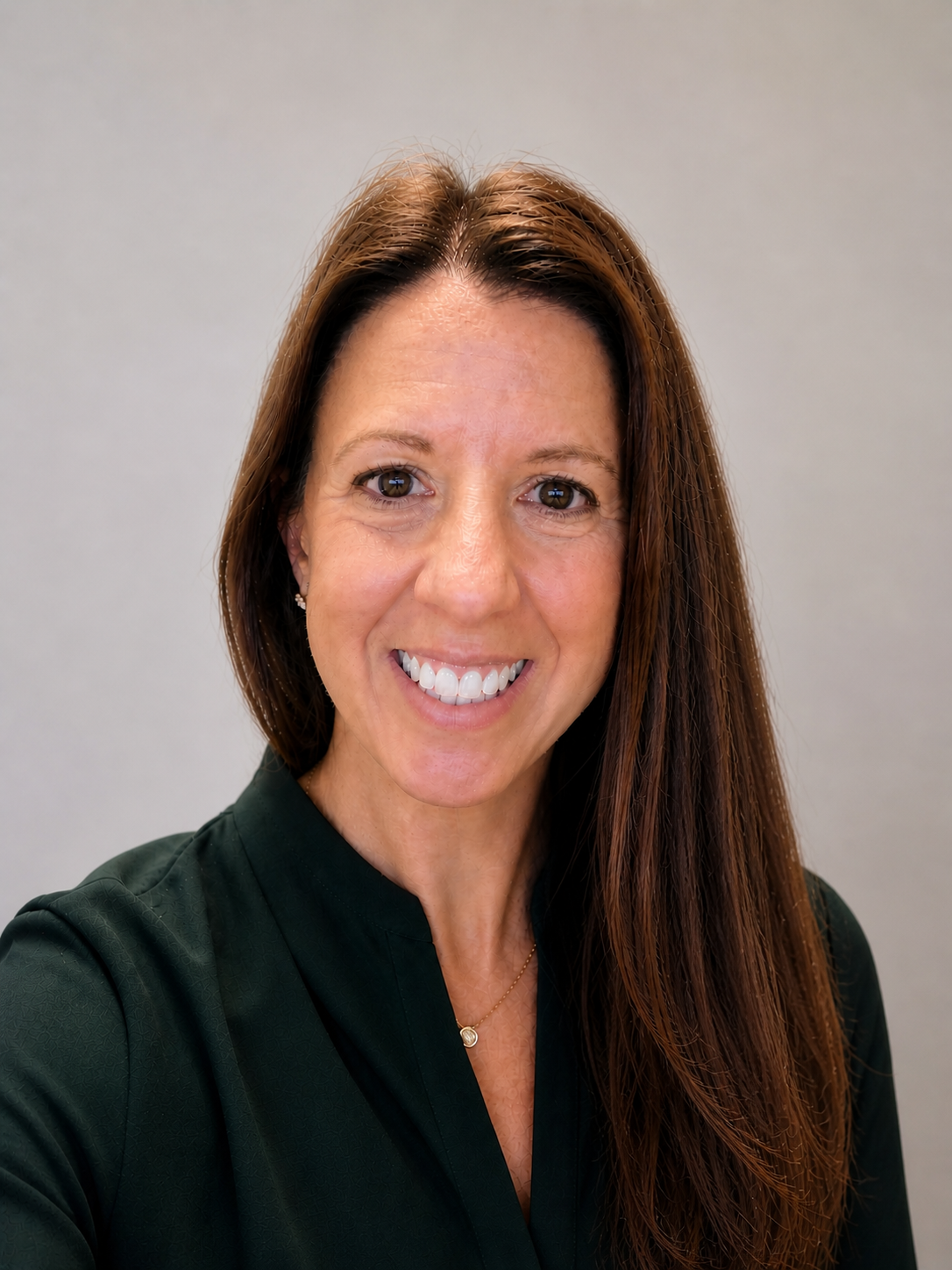
Associate Professor, Washington University in St. Louis
Jean Hunleth, PhD, MPH, is a medical anthropologist and Associate Professor in the Division of Public Health Science, Department of Surgery, Washington University School of Medicine in St. Louis. She began her career in public health as a Peace Corps Volunteer in Eastern Province, Zambia in the late 1990s, where she gained insight into the contextual processes that led public health programs to succeed and also to fail. Her experiences during that time - which co-occurred with an absence of accessible treatment for HIV and a loss of funding for TB treatment- led her back to the U.S. to Northwestern University to study anthropology, while also pursuing an MPH, studies that took her back to Zambia to carry out ethnographic research on children's caregiving for parents with TB. She has published this research as a book, Children as Caregivers: The Global Fight against Tuberculosis and HIV in Zambia, and launched comparative research in the U.S. with children whose parents have cancer. She leads a lab at Washington University that foregrounds ethnographic methods and local knowledge, as well as attention to how power circulate. Her current projects in Zambia include a study to integrate HPV Vaccination into HIV care settings, specifically drawing on the experiences and perspectives of adolescents, and a study on the costs of childhood cancer caregiving, especially for caregivers coming from far distances. She places emphasis on cross-cultural learning from collaborators and on capacity building that supports and sponsors mentees to realize their professional goals.
Universidade Federal de Ciências da Saúde de Porto Alegre UFCSPA
UNIVERSIDADE FEDERAL DE CIÊNCIAS DA SAÚDE DE PORTO ALEGRE
Universidade Federal de Ciências da Saúde de Porto Alegre (UFCSPA) - School of Medicine
UNIVERSIDADE FEDERAL DE CIÊNCIAS DA SAÚDE DE PORTO ALEGRE
Catalan Institute of Oncology
UFCSPA
Comilla Medical College Hospital Bangladesh
National Hospital,Galle.Sri Lanka
Ahmadu Bello University and Ahmadu Bello University Teaching Hospital
UNIVERSIDADE FEDERAL DE CIÊNCIAS DA SAÚDE DE PORTO ALEGRE
University of Florida
New York University
Michigan State University
Department of Pharmacology, University of Pretoria
University of South Carolina
Department of Epidemiology, Rollins School of Public Health, Emory University
Institut Pasteur of Cote d'Ivoire
University of North Carolina at Chapel Hill
Covenant University
International Agency for Research on Cancer
UNIVERSIDADE FEDERAL DE CIÊNCIAS DA SAÚDE DE PORTO ALEGRE
Children’s Cancer Hospital Egypt 57357
Universidade Federal de Ciências da Saúde de Porto Alegre
African Population and Health Research Center
Cachar Cancer Hospital and Research Centre, Silchar, Assam
Rutgers Global Health Institute
Universidade Federal de Ciências da Saúde de Porto Alegre
American University of Armenia
IVAN Research Institute
1. IVAN Research Institute, University of Nigeria Nsukka, Enugu, Nigeria; 2. Department of Sociology/Anthropology, University of Nigeria Nsukka, Enugu, Nigeria
Universidade Federal de Ciências da Saúde de Porto Alegre (UFCSPA)
Public Health Consultant (Independent), King's College London
UFCSPA
Universidade Federal de Ciências da Saúde de Porto Alegre
Ross University School of Medicine
University of Botswana
UFCSPA
Kenya Ministry of Health, National Cancer Control Program
Universidade Federal de Ciências da Saúde de Porto Alegre
Universidade Federal de Ciências da Saúde de Porto Alegre
UNIVERSIDADE FEDERAL DE CIÊNCIAS DA SAÚDE DE PORTO ALEGRE
UNIVERSITY OF NIGERIA TEACHING HOSPITAL
University of Hawaii REACH
Bummhi
Bummhi
Cachar Cancer Hospital and Research Centre
Universidade Federal de Ciências da Saúde de Porto Alegre (UFCSPA) - School of Medicine
Universidade Federal de Ciências da Saúde de Porto Alegre
Universidade Federal de Ciências da Saúde de Porto Alegre (UFCSPA) - School of Medicine
SRM Institute of Science & Technology, Delhi NCR
Kyoto University
Keck School of Medicine of University of Southern California
Cachar Cancer Hospital and Research Centre
UFCSPA
Public Health Research Institute of India
University of North Carolina
NCI DCEG TDRP CGB
London School of Hygiene and Tropical Medicine
UFCSPA
Centre of Cancer Research
Faculty of Science and Techniques of Tangier, Abdelmalek Essaadi University Tangier,, Morocco
Universidade Federal do Rio Grande do Sul
Yeditepe University
UCLA
Johns Hopkins Bloomberg School of Public Health
University of Florida
UFCSPA
Faculty of Medicine, University of Ruhuna
Universidade Federal de Ciências da Saúde de Porto Alegre (UFCSPA) - School of Medicine
Institute of Human Virology, Nigeria
UFCSPA
New York Presbyterian Hospital
ULBRA
Departamento de Tocoginecologia, Universidade Estadual de Campinas, Campinas, Brazil
UFRGS
Medserve Luth Cancer Center
Medserve Luth Cancer Center
UFCSPA
University of Colombo
UFCSPA
National Cancer Institute
Indian Council of Medical Research - National Institute of NCD Epidemiology
African Research Group for Oncology, Obafemi Awolowo University Teaching Hospitals Complex,
UNIVERSIDADE FEDERAL DE CIÊNCIAS DA SAÚDE DE PORTO ALEGRE
Northwestern University
CANCER AWARENESS PREVENTION AND EARLY DETECTION TRUST
John A. Burns School of Medicine, University of Hawaii
Universidade Federal de Ciências da Saúde de Porto Alegre
Universidade Federal de Ciências da Saúde de Porto Alegre
University of California, Berkeley

UFCSPA
McGill University
UFCSPA
Centre for Cancer Research, University of Sri Jayewardenepura, Nugegoda, Sri Lanka
University College London
UFCSPA
UNIVERSIDADE FEDERAL DE CIÊNCIAS DA SAÚDE DE PORTO ALEGRE
Institute for Health Metrics and Evaluation, University of Washington School of Medicine
University of Rhode Island

Vice President, Education, American Association for Cancer Research, Philadelphia, PA, USA

Founder and First President, Sociedad Latino Americana y del Caribe De Oncología Médica; Editor-in-Chief, ecancer; Co-chair, RINC-SLACOM, Buenos Aires, Argentina

Patient Advisory Board member, KCCure; Patient Advocate, SWOG Cancer Research Group, San Bernardino, CA, USA

President, Fundación Natalí Dafne Flexer, Buenos Aires, Argentina

Founder and Executive Director, KILELE Health, Nairobi, Kenya

Chair, Global Cancer Research Special Interest Group, American Society of Preventive Oncology; Assistant Professor, Department of Health, Behavior, Society and Policy, Rutgers School of Public Health, New Brunswick, NJ, USA

Representative, Academic Global Oncology Task Force, American Society of Clinical Oncology (ASCO); Assistant Professor of Medicine, Duke Cancer Institute, Durham, NC, USA

Executive Director, Consortium of Universities for Global Health, Washington, DC, USA

Convener, National Cancer Grid of India; Director, Tata Memorial Hospital; Professor, Thoracic Surgery (Surgical Oncology), Tata Memorial Centre, Mumbai, India

Managing Director, African Organisation for Research and Training in Cancer, Cape Town, South Africa

Chair, Research Committee, African Organisation for Research and Training in Cancer; Senior Clinical Research Officer, University of Cape Town, South Africa

Region Head (India & South Asia), The Max Foundation; Managing Trustee - Friends of Max; Trustee, Being Human The Salman Khan Foundation, Mumbai, India

Public Health Advisor, Center for Global Health, US National Cancer Institute, Rockville, MD, USA

Branch Director, Partnerships and Dissemination, Center for Global Health, US National Cancer Institute, Rockville, MD, USA

Public Health Analyst, Center for Global Health, US National Cancer Institute, Rockville, MD, USA

Lead of Strategic Dissemination and Engagement, Center for Global Health, US National Cancer Institute, Rockville, MD, USA

Program Director, Center for Global Health, US National Cancer Institute, Rockville, MD, USA

Program Director, Center for Global Health, US National Cancer Institute, Rockville, MD, USA
The ASGCR Scientific Steering Committee is comprised of internal and external members, working across a variety of research and clinical settings around the world, and with a wide range of subject matter expertise. External Steering Committee members participate in the process of reviewing proposed content for scientific and abstract sessions. External Steering Committee members are independent from the National Cancer Institute (NCI) and do not function as formal NCI members.
Final presentation selection is based on the information provided at the time of abstract submission. The views, opinions, and conclusions expressed by presenters at ASGCR are those of the speakers and do not necessarily reflect those of the National Cancer Institute (NCI), National Institutes of Health (NIH), the Department of Health and Human Services (HHS), or the United States government (USG). Inclusion of a commercial product or organization does not imply endorsement by the NCI, NIH, HHIS or USG.